
さて、見積もりを取ったとして、あるサプライヤーは1平方メートルあたり$600、別のサプライヤーは同じサイズで$4,500と見積もっています。20平方メートルのビデオウォールの場合、予算に$78,000もの差が生じます。もしあなたが今、2026年のLEDスクリーンの価格データを調べているなら、この業界の価格透明性が事実上存在しないという根本的な問題に気づいているはずです。.
2026年におけるLEDスクリーンの価格を、エントリーレベルの屋外看板($350/m²)から、超高級屋内COBディスプレイ($9,500/m²近く)まで、詳細に分析しました。見積もりを作成するAVインテグレーターの方も、初めてLEDビデオウォールを購入するビジネスオーナーの方も、曖昧な概算ではなく、具体的な数値をご覧いただけます。.
1. 2026年にLEDディスプレイの価格設定に関する専用ガイドが必要となる理由
世界のLEDディスプレイ市場は、 2026年には1TP4兆986億, 2035年までに151億5000万米ドル($)に達する年平均成長率(CAGR)4.9%で成長している。広告メディアアプリケーションは、小売、スタジアム、DOOH展開など、総需要の34.8%を占めている。中国のメーカーは現在、世界の中低価格帯セグメントの約59%を支配しており、この集中により価格競争が激化している。[1]
サムスンは、LEDディスプレイの価格が2021年までの5年間で約50%下落したと報告しており、その傾向は続いている。屋外用LEDセグメントは、2026年には$153.6億の規模となり、年平均成長率(CAGR)は11.5%で、エネルギー効率の高い共通陰極設計により消費電力が最大40%削減され、さらなる価格低下が見込まれる。プレミアム分野では、ファインピッチ屋内スクリーン(サブP1.5mm)が年平均成長率24.0%で成長しており、COBや新興のMIP技術の普及を促進している。[2][3]
これほど市場が変動している状況では、過去の価格表は役に立つどころか、誤解を招く可能性の方が高い。購入者は、ピクセルピッチ、設置環境、そしてパネル価格に20~50%上乗せされる可能性のある隠れた費用を考慮した、最新のカテゴリー別LEDディスプレイの平方メートル当たりのコストデータを必要としている。.
このガイドの内容
続く6つの章では、まさにその内容をお届けします。第2章では、屋内、屋外、レンタル、特殊ディスプレイ向けのLEDビデオウォールの価格表を詳細に解説します。第3章では、画素密度やLEDパッケージング技術から、ドライバICの品質や筐体材料に至るまで、10のコスト要因を詳しく分析します。第4章では、ほとんどの見積もりで隠されている隠れたコストを明らかにします。第5章では、2026年の価格動向を分析します。第6章では、市場を再構築する重要な新要因である地政学的ショックと原材料価格の高騰について解説します。第7章では、実践的な購入フレームワークを提供します。.
2. LEDスクリーン価格(タイプ別、1平方メートルあたり)—2026年データ
2026年におけるLEDディスプレイの1平方メートルあたりのコストは、画素密度、パッケージング技術、耐候性などによって異なり、大型屋外看板の約$350から、超高級COBマイクロLEDの$9,500まで幅がある。.
下記の表は、主要なLEDスクリーンのカテゴリを種類、ピクセルピッチ、2026年の価格帯別に網羅しています。.
| LEDスクリーンカテゴリー | ピクセルピッチ | 価格帯(米ドル/平方メートル) | ベストアプリ |
| 屋内用 — エントリーレベル | P2.5~P4 | $600~$1,200 | 会議室、ホテルのロビー、小売店の看板 |
| 屋内用 — 中級 | P1.5~P2.5 | $1,200~$2,500 | 企業の役員会議室、制御室、LCDビデオウォールの交換 |
| 屋内用 - 高精細(COB) | P0.9~P1.2 | $2,000~$4,000 | 放送スタジオ、指令センター、高級小売店 |
| 屋内用 — 超高級COBマイクロLED | P0.7 | $7,800~$9,500 | 役員会議室、研究開発ラボ、旗艦施設 |
| 屋外広告 ― 大型看板 | P8~P10 | $350~$950 | 高速道路広告、スタジアム、遠距離視聴 |
| 屋外 — 標準的な商業用 | P5~P6 | $500~$1,300 | 都市広場、建物のファサード、商業地区 |
| 屋外 — 高解像度 | P3.9~P5 | $800~$1,800 | 高級ブランド店、都市部の近隣への設置 |
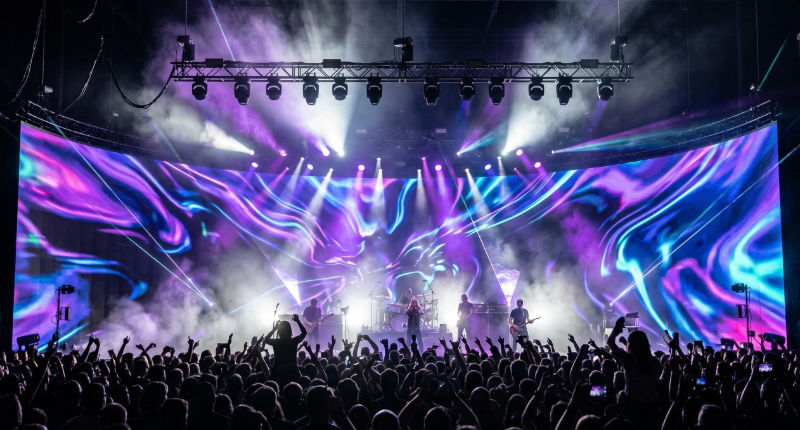
| レンタル — イベントグレード | P2.6~P3.9 | $800~$1,800 | コンサート、展示会、一時的なインスタレーション |
| 賃貸物件 — お手頃価格 | P2.6~P4.8 | $650~$950 | 小規模イベント、企業プレゼンテーション、ロードショー |
| 特長 — 透明LED | 様々 | $600~$4,000 | 小売店のショーウィンドウ、建築との融合、美術館 |
| 特製LEDポスター | P1.8~P2.5 | $900~$1,500 | 小売業、展示会、デジタルポスターの代替 |
| 特長 — LEDダンスフロア | P3~P6 | $800~$1,600 | イベント、ナイトクラブ、没入型体験 |
画素ピッチが小さくなるほど、1平方メートルあたりのLED数が増え、製造精度も飛躍的に向上します。P0.7パネルは1平方メートルあたり約200万画素ですが、P10パネルはわずか1万画素です。この200倍もの密度差が、価格差の大部分を占めています。.
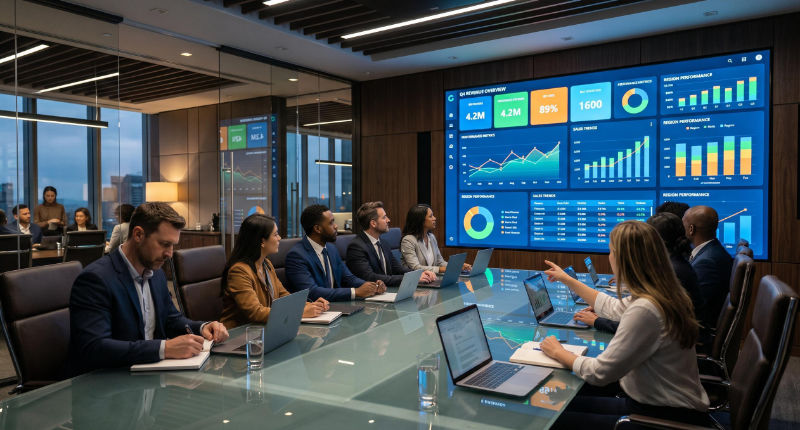
2.1 屋内用LEDディスプレイの価格
エントリーレベルの屋内用P2.5。. エントリーレベルの屋内用パネル($600~$1,200/m²)は、3~10メートルの視聴距離に適しており、会議室や小売店の看板に最適です。1平方メートルあたり約16万ピクセルという解像度は、LEDのシームレスでベゼルレスな利点を、高額な価格設定なしで享受したいお客様にとって標準となります。.
中級屋内(P1.5~P2.5):$1,200~$2,500/m²。. このグレードは、企業向け導入においてLCDビデオウォールに取って代わりつつあります。P1.8およびP2.0パネルは、1平方メートルあたり277,000~400,000ピクセルの解像度を実現し、1.5~2メートルの距離でも鮮明な映像を維持します。価格の上昇に伴い、より高性能なLEDチップ、ダイキャストアルミニウム製筐体、そして標準的な1920Hzに対し3840Hzのリフレッシュレートが実現します。これは、画面がカメラに映る場合に特に重要です。.
高精細屋内(P0.9~P1.2 COB):$2,000~$7,000/m²。. P1.2を下回ると、COB(Chip on Board)の領域に入ります。これは、ハウジングなしでチップをPCBに直接実装したものです。COBは優れた耐久性を提供しますが、価格も高くなります。P1.0~P1.2は$2,000~$4,000/m²、P0.9は$4,500~$7,000/m²です。これらは、視聴者が1メートル以内に立つ放送スタジオに適しています。.
超高級COBマイクロLED(P0.7):$7,800~$9,500/m²。. $7,800~$9,500/m²のP0.7は、商用LED技術の最先端を象徴するものです。製造の複雑さが増すにつれてコストは指数関数的に上昇します。チップ間隔がミクロン単位の精度にまで縮小すると、歩留まりが低下します。これらのパネルは、予算よりも視覚的な完璧さが重視される役員会議センターなどで使用されています。.
2.2 屋外用LEDディスプレイの価格
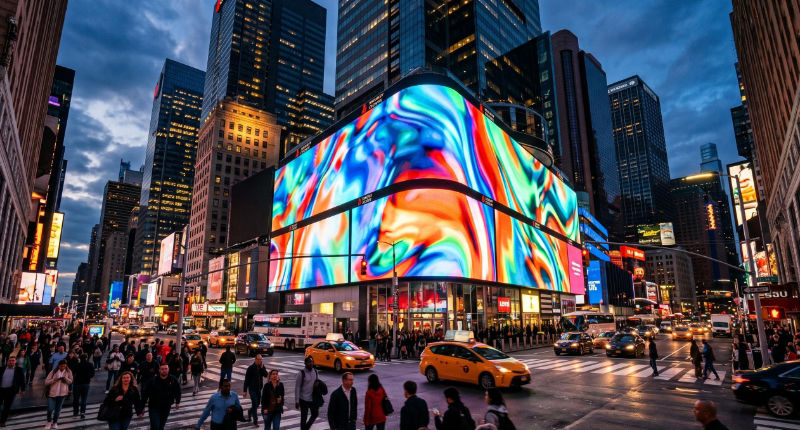
大型屋外広告看板(P8~P10):$350~$950/m²。. $350~$850/m²のP10高速道路看板は、30~100メートル離れた場所から見る場合には問題なく機能します。課題は輝度(5,000ニト以上)と耐候性(IP65)です。$600~$950の省エネ型P8バージョンは、消費電力を最大40%削減し、総所有コスト(TCO)の大幅な削減につながります。.
標準屋外商業用(P5~P6):$500~$1,300/m²。. P5~P6は、都市部の商業施設への設置の大部分、すなわち5~15メートル離れた場所から見える都市広場や建物のファサードをカバーします。$500~$1,300シリーズは、その構造品質を反映しており、低価格帯ではスチール製キャビネット、$1,300付近では前面からメンテナンス可能なダイキャストアルミニウム製キャビネットとなっています。.
高解像度屋外用(P3.9~P5):$800~$1,800/m²。. P3.9~P5(画素密度$800~$1,800/m²)は、通行人が5メートル以内の距離からコンテンツを見る高級ブランドの店舗に最適です。P5~P6よりも高価格なのは、IP65の防水性能と5,000nit以上の輝度を維持しながら、高精細な画素ピッチを実現することの難しさを反映したものです。.
2.3 レンタルおよび特殊用途LEDの価格
レンタル用LEDディスプレイ(P2.6~P3.9):$800~$1,800/m²。. 1平方メートルあたり$800~$1,800のレンタルスクリーンは、軽量キャビネット、クイックロック機構、繰り返し組み立て時のエッジ保護機能を備えています。1平方メートルあたり$650~$950の低価格オプション(2.6~4.8ペソ)は、小規模な企業イベントに適しています。.
透明LEDスクリーン:$600~$4,000/m²。. $600~$4,000/m²の透明LEDは、あらゆるカテゴリーの中で最も幅広い範囲をカバーしています。基本的なP3.91透明メッシュパネル(約$600)は60~70%の透明度を提供し、高解像度P3.91ホログラフィックInvisibleパネルは、視線が重要な高級小売店のショーウィンドウ向けに$4000に近い透明度を実現しています。.
LEDポスターディスプレイ(P1.8~P2.5):$900~$1,500/m²。. LEDポスターディスプレイ(印刷ポスターに代わる自立型ユニット)は、1平方メートルあたり900~1500タカで販売されている。これらのオールインワンユニットにはメディアプレーヤーとWi-Fiが内蔵されており、静的な看板よりもダイナミックなビジュアルが効果的な小売業界で注目を集めている。.
ピクセルピッチを視距離に合わせる
視距離に基づいてピクセルピッチを選択してください。業界のルールは次のとおりです。 最小視距離(メートル)はピクセルピッチ(ミリメートル)に等しい. P2.5スクリーンは2.5メートル離れたところから鮮明に見え、P10スクリーンは10メートル離れたところから鮮明に見えます。1メートル以内の視聴者には、P0.9~P1.2 COBが最低限必要です。50メートル以上の距離にある高速道路の看板には、P8~P10で十分な解像度が得られ、屋内用の高精細ピッチの代替品に比べて約10分の1のコストで済みます。.
3. LEDスクリーンの価格を決定する10の要因
同じ画面サイズでも、2つの見積もりで300%もの差が生じる可能性があります。あらゆる選択が、1平方メートルあたりのLEDディスプレイのコストに影響を与えます。ここでは、LEDスクリーンの価格を左右する10の要因を、影響度の高い順にランキング形式でご紹介します。これにより、品質を妥協することなく予算を削減できます。.
| ランク | コスト要因 | インパクト | 典型的な価格変動 |
| 1 | ピクセルピッチ | 非常に高い | 同じブランドの場合、P5とP2の差は3~5倍です。 |
| 2 | LEDパッケージ(SMD vs GOB vs COB) | 高い | COB 18–22% above SMD; GOB mid-point |
| 3 | LED chip brand | 高い | Nationstar 15–25% premium over Kinglight |
| 4 | Brightness requirement (indoor vs outdoor) | 高い | Outdoor needs 5,000+ nit LEDs, waterproofing |
| 5 | キャビネットの材質 | Medium | Die-cast aluminum premium over steel |
| 6 | IP rating (outdoor sealing) | Medium | IP65/IP67 adds sealing cost vs IP31 indoor |
| 7 | リフレッシュレート | Medium | 3,840 Hz+ adds ~$15–25/m² over 1,920 Hz |
| 8 | Driver ICs and control system | Medium | Novastar A5S or higher recommended |
| 9 | Installation type | Medium | Rental hardware > fixed; creative shapes highest |
| 10 | Energy efficiency (Common Cathode) | Low–Medium | +10–15% upfront, saves 40% power |
3.1 技術仕様
Pixel pitch is the #1 cost driver. Pixel pitch (in millimeters) is the distance between adjacent LED pixels — smaller means tighter density but exponentially more LEDs per m². A P2 costs roughly 3x per m² as a P5 because it packs over 6x the lamp beads. Use the viewing distance formula: minimum comfortable viewing distance in meters ≈ the pixel pitch number. A P3 looks sharp from 3 meters; choosing P2.5 over P1.8 for a wall viewed from 4+ meters can cut how much does an LED screen cost by 30–40%.
LED packaging follows a clear cost hierarchy: SMD (lowest cost) < GOB < COB (highest cost, best durability). SMD places individual LED chips onto the PCB; GOB adds protective epoxy for high-traffic areas; COB mounts chips directly for superior heat dissipation. A P1.25 indoor screen shows the spread: SMD at $1,200–$2,500/m², GOB at $2,800/m²+, COB at P0.9 at $4,500–$7,000/m². COB’s 18–22% premium pays back in 24/7 installs through lower failure rates.
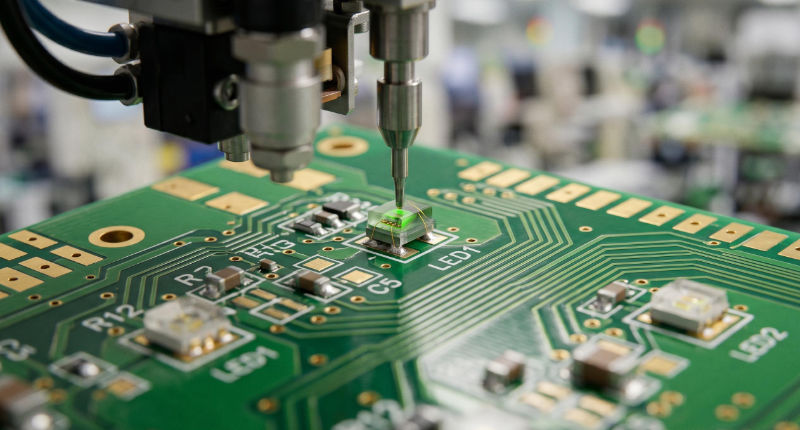
Refresh rate upgrades add modest cost. Standard panels ship at 1,920 Hz, adequate for signage. Upgrading to 3,840 Hz+ adds ~$15–25/m². Essential for broadcast where low refresh produces scan lines on camera; for pre-recorded lobby content, 1,920 Hz keeps your indoor LED display price at entry level.
Brightness requirements split the market. Indoor needs 600–1,200 nits; outdoor screens demand 5,000–10,000+ nits. Higher-grade chips and thermal management push outdoor LED screen price above indoor equivalents.
3.2 部品および製造品質
LED chip brands create a three-tier pricing structure. Kinglight is a mid-range product; Nationstar commands a 15–25% premium for better color consistency; premium imports (Nichia, high-grade Epistar) add another step for color-critical uses. For a house of worship, Nationstar hits the sweet spot; for a billboard viewed from 20 meters, Kinglight is a defensible cut. However, we do not recommend using entry-level LED chips, as the maintenance costs will far exceed the purchase costs.
Driver ICs determine reliability. Novastar A5S or equivalent-grade ICs are the minimum where downtime is costly. Cheaper ICs save $10–20/m² upfront but produce uneven brightness and artifacts.
Cabinet material affects precision and weight. Die-cast aluminum offers tighter tolerances and lighter weight for hanging installs; steel costs less but may flex, causing visible seam lines. For rental and fine-pitch use, aluminum is effectively mandatory.
3.3 設置および環境要因
IP rating determines sealing cost. Indoor screens carry IP31; outdoor needs IP65 (dust-tight, water-jet protected) or IP67 (immersion protected). The required sealing, gaskets, and drainage push outdoor LED screen price above indoor equivalents.
Installation type scales from simple to complex. Fixed wall mount is cheapest. Rental needs quick-lock mechanisms and front-access serviceability. Creative shapes require custom engineering and can multiply base LED display cost per square meter by 2–5x.
Energy efficiency trades upfront cost for savings. Common Cathode cuts power draw ~40% versus Common Anode but adds 10–15% upfront. On a 20 m² screen running 12 hours daily, payback lands at 18–24 months.
4. LEDプロジェクトの予算に20~50%を追加する隠れたコスト
The LED panels themselves represent only 50–60% of your total project spend. The rest hides in mounting infrastructure, installation labor, control systems, shipping, and operational costs that rarely appear in the initial quote. When a supplier quotes $1,200/m² for a P2.5 indoor screen, that figure covers modules, cabinets, and power supplies — not the steel frame, video processor, or customs duty.
隠れたコストの内訳表
| Cost Item | Typical % of Screen Cost | Dollar Range | Notes |
| Steel mounting structure | 10–20% | $100–$800/m² | Varies by wall type; truss and ground stands cost more |
| Installation labor (flat wall) | 5–15% | $200–$500/m² | Standard flat-surface mounting; varies by region |
| Installation labor (curved/custom) | 20–40% | $700–$2,500/m² | Custom framing and geometries need specialist crews |
| Control system + video processor | 5–10% | $500–$5,000 total | Scales with resolution and input source count |
| Software / CMS licensing | 1–5% | $200–$2,000/yr | One-time or recurring; cloud-based CMS adds ongoing fees |
| 予備モジュール在庫 | 3–8% | 5–10% of module count | Buy from same production batch to ensure color matching |
| Electrical infrastructure | 3–10% | $300–$3,000 total | Dedicated circuits and power distribution; often overlooked |
| Shipping and freight | 3–8% | $200–$1,500 | Ocean freight from Asia; air freight multiplies this 3–5x |
| Customs duties and import taxes | 2–7% | 5–15% of declared value | Depends on HS classification and trade agreements |
| Power consumption (5-year) | 15–30% | Varies by usage | 24/7 displays can match hardware cost within 5–7 years |
| Maintenance service contract | 2–5%/yr | $500–$3,000/yr | Front-serviceable designs cut labor and scaffold costs |
インフラストラクチャと設置
Your mounting surface dictates your steel budget. A concrete wall installation runs 10–15% of screen cost, while complex facade integrations push toward 20%. Curved LED video walls require custom trussing and specialist crews, driving installation to $700–$2,500/m² — up to five times flat-wall rates. Commission a site survey before locking in your LED video wall price; structural surprises are expensive.
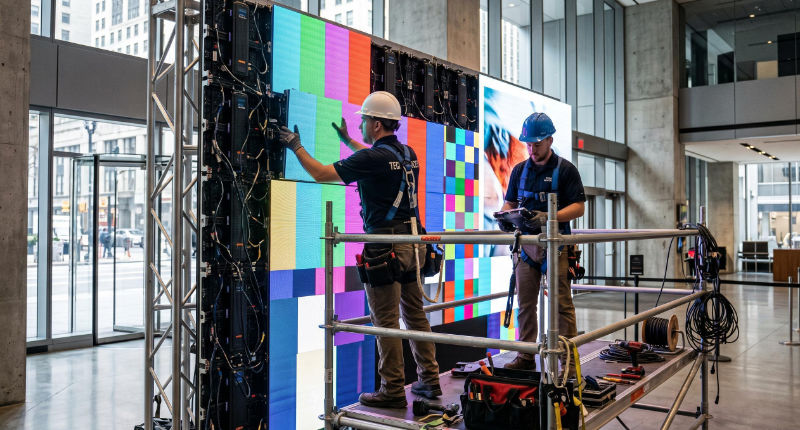
システムコンポーネント
The control system — sender and receiver cards plus video processor — adds 5–10% to hardware cost. Entry-level video processors run $500; multi-input 4K scalers reach $5,000.
予備モジュール在庫
Spare modules are non-negotiable: hold 5–10% of your total module count in reserve from the same production batch. LED batches vary in color temperature, and future replacements that do not match create visible seams on your wall.
継続的な運営コスト
Power is the most underestimated line item. For screens running 12–24 hours daily, cumulative energy costs can equal the original hardware investment within 5–7 years. A 20 m² outdoor screen at 600W/m² running 12 hours daily consumes roughly 52,000 kWh annually — about $6,760 at $0.13/kWh. Maintenance contracts run 2–5% of hardware cost annually; front-serviceable cabinets reduce this by eliminating rear access corridor requirements.
プロジェクト予算の完全算出式
Total Project Cost = Screen Cost + Steel Structure (10–20%) + Installation ($200–$2,500/m²) + Control System (5–10%) + Spare Modules (5–10%) + Shipping and Customs (5–15%) + First-Year Power and Maintenance
予算不足の落とし穴
A 30 m² indoor P2.5 wall quoted at $1,500/m² produces a $45,000 panel invoice. Apply mid-range hidden cost estimates and your actual first-year spend approaches $65,000–$72,000 — 44–60% above the headline figure. A 10 m² outdoor billboard follows the same pattern: $8,000 in panels becomes $12,000–$14,000 installed and operational. Demand a line-item breakdown from every vendor covering panels, structure, installation, control system, shipping, and first-year operating costs. Anything less is an opening bid, not a quote.
5. 2026年以降のLEDスクリーン価格動向
If you are weighing whether to buy now or wait, understanding where LED screen prices are headed matters as much as today’s quote. The 2026 market is being pulled in two directions — forces driving costs lower and forces pushing premium segments higher. Knowing which affects your use case can save thousands.
価格下落の要因とは?
Three structural trends are compressing LED display cost per square meter, and none show signs of reversing.
Chinese manufacturing scale. Chinese manufacturers control roughly 59% of the global mid-to-low-end market.[1] That concentration fuels intense competition among dozens of factories. We noted LED display prices fell roughly 50% in the four to five years preceding 2021,[2] and that trajectory continues as capacity expands.
MicroLED commercialization. TCL’s 163-inch MicroLED dropped from $110,000 to $36,000 in two years — a 67% price decline. While MicroLED remains ultra-premium, that erosion signals what happens when technology hits production scale, pressuring COB and fine-pitch SMD prices downward.[4]
Small-pitch affordability. The sub-P1.5 segment is growing at 24% CAGR. Rapid growth means economies of scale kick in fast — yields improve and equipment costs amortize across more panels. P0.9 COB that cost $7,000/m² two years ago now starts around $4,500/m².[3]
物価高止まりの原因
Three factors are creating a price floor.
Premium brand positioning. Tier-one manufacturers like ROE Visual(Professional Rental), Absen(Professional Indoor), and OneDisplay(Professional Transparent Display) command a 15–25% premium over generic alternatives. Buyers get better calibration, stricter QC — worthwhile for mission-critical installs.
Energy efficiency mandates. Rising electricity costs are pushing efficiency standards higher. Common-cathode driving cuts power up to 40%, but efficient components cost more upfront, shifting expense from operating budgets to capex.[5]
Advanced packaging costs. COB production requires clean-room conditions and precision die-bonding that SMD lines do not. Until MIP (Micro LED in Package) scales, fine-pitch screens carry manufacturing overhead that competition cannot erase.
TCOと初期費用
Upfront LED screen price is becoming the wrong metric. Total cost of ownership — power, maintenance, and lifespan over 5–10 years — is replacing sticker price as the buying criterion.
A quick ROI framework: a $3,000/m² screen drawing 400W/m² looks cheaper than a $4,000 unit at 250W/m². But over ten years at $0.15/kWh, the efficient screen saves ~$1,950/m² in electricity alone. Factor in fewer module replacements, and the premium unit pays for itself.
| コスト要因 | Typical Range | Share of 10-Year TCO |
| Upfront purchase | $600–$5,000/m² | 40–60% |
| 電気 | $150–$600/m²/year | 25–40% |
| Maintenance & spares | 5–10% of purchase/yr | 10–20% |
| Installation & structure | 10–30% of hardware | 5–10% |
The outdoor LED screen market is projected to grow at 11.5% CAGR through 2033,[2] drawing more buyers and incentivizing manufacturers to compete on lifetime value, not day-one price. The question is no longer “how much does an LED screen cost?” It is “what will this screen cost me every year I own it?”
6.地政学的ショックと原材料費:2026年の予測不能要因
For most of the past decade, LED screen prices followed a predictable downward curve. That changed in 2025. A convergence of geopolitical conflicts, trade tariff escalations, and raw material inflation has introduced a new variable into LED pricing — one that buyers can no longer ignore. If you are budgeting for an LED project in 2026, understanding these external pressures is as important as comparing pixel pitches.
米中貿易関税:不安定な新たな現実
The LED display industry felt the full force of trade policy shifts in 2025. Beginning in February 2025, the United States imposed successive rounds of tariffs on Chinese imports, with cumulative rates peaking at 145% in April before a May Geneva agreement scaled them back to 30%.[6] A temporary truce extended through late 2025 and into 2026, but uncertainty persists.
This matters enormously because over 90% of LED displays and LED module accessories come from China. The US represents the third-largest export market for Chinese LED screens (11–14% of overseas exports). For US buyers, these tariffs have effectively doubled the landed cost of many LED products, forcing importers to either absorb margins, pass costs to customers, or seek alternative — and often less reliable — supply chains through Canada or Southeast Asia.[6]
原材料価格の高騰:サプライチェーンの逼迫
Beyond tariffs, upstream material costs are rising across every category that feeds into LED manufacturing. Industry reports confirm that Chinese LED suppliers raised prices 5–15% in 2026, with many quotations valid for only 24–48 hours. Here is the breakdown.
PCB and copper costs. Copper prices surged 30–35% year-over-year in 2025, with copper foil up ~35%, prepreg costs up ~40%, and copper-clad laminate (CCL) climbing as much as 45%. A major global CCL supplier announced an additional 10% price increase toward the end of 2025. Since PCB boards are one of the largest cost components in an LED display module, this feeds directly into higher panel prices.[7]
Precious metals in LED packaging. Gold, silver, and copper together account for more than 70% of LED packaging costs. Sharp price increases in these commodities have pushed up the cost of silver paste, alloy bonding wires, and PCB boards industry-wide. Major packaging companies including MLS and Kinglight implemented price adjustments of 5–10% as early as August 2025, with the rest of the supply chain following by December.[8]
Driver IC shortages. The global semiconductor shortage that affected automotive and consumer electronics has not spared LED displays. AI infrastructure buildout is consuming vast amounts of mature-process semiconductor capacity — the same node families that produce LED driver ICs. The result: longer procurement cycles, reduced spot inventory, and higher driver IC pricing. For fine-pitch LED displays that require dense driver configurations, this cost increase is especially visible.
業界の反応:価格競争から価値競争へ
The combination of these pressures is forcing a structural shift in how LED manufacturers compete. After years of extreme price competition that saw average LED prices fall 30–40% cumulatively over four years, the industry is pivoting toward sustainable pricing.[8]
Several trends are emerging:
• Low-cost suppliers becoming high-risk suppliers. When raw material prices rise rapidly, the cheapest quotes become dangerous. Some factories cut costs by using lower-grade LEDs, mixing LED bins, downgrading driver ICs, or reducing PCB thickness — compromises that lead to brightness inconsistency, color shift, flicker, and shortened lifespan.
• Delivery delays becoming common. Suppliers are prioritizing high-margin orders, long-term customers, and large-volume projects. Buyers relying on spot procurement face longer delivery cycles in 2026.
• 価格競争よりも品質差別化を重視する。. 大手メーカーは、価格競争に走るのではなく、品質管理の向上、持続可能な事業運営、サプライチェーンの安全性確保に投資している。.
2026年のご購入に関して、これは何を意味するのか
LED価格が着実に下落してきた時代は一時停止した。2026年に購入を検討している方にとって、その影響は以下のとおりだ。
5-15%を追加予算に計上する 原材料費とサプライチェーンのインフレ率を、2024~2025年の価格基準と比較してください。もし供給業者が2023年当時の価格を提示している場合は、どのようなコスト削減策が取られているのかを問いただしてください。.
見積もりを迅速に確定しましょう。. 一部製品では見積もりの有効期限が24~48時間に短縮されているため、迅速な調達が重要となります。仕様書を準備し、承認プロセスを効率化してください。.
最低価格よりも仕入先の安定性を優先する。. 供給ショックを乗り越え、在庫バッファーを維持し、部品調達を透明化しているサプライヤーは、初期費用が5~10%高くなる可能性があるが、納期遅延、品質不良、保証紛争を回避できる。.
| コスト影響係数 | 価格への影響予測 | タイムライン |
| 米国による中国製LEDへの関税(実効税率30%) | +20–30% 米国バイヤー向け着地コスト | 2026年まで継続 |
| PCB/銅材料のインフレ | モジュールコストに+5–10% | 2026年第1四半期~第3四半期 |
| LEDパッケージング材の膨張 | パッケージ型LEDの+3–8% | 2026年まで |
| ドライバーIC不足 | ファインピッチディスプレイ用+5–15% | 2026 |
| サプライヤーの統合(価格よりも品質を優先) | +3–5% 市場全体 | 構造的変化 |
結論: 地政学的要因と原材料の不確定要素は、2026年のLEDスクリーン価格に新たな不確実性をもたらします。こうした外部圧力を考慮に入れ、見積もりに対して迅速に対応し、最低価格よりもサプライヤーの信頼性を優先するバイヤーは、2023年の価格表を最新のものとして扱うバイヤーよりも、この環境をはるかにうまく乗り切ることができるでしょう。.
7. 2026年に最高のLEDスクリーン価格を手に入れる方法
価格データに関する6章にわたる解説を終えた後、残る疑問はただ一つ。どうすれば、これらの情報を賢い買い物に活かせるのか?店舗の看板を購入する場合でも、企業のビデオウォールを購入する場合でも、良い取引と高額な失敗を分けるのは、事前の準備である。.
7.1 購入前戦略
最もコストのかかるミスは、ピクセルピッチを過剰に指定することです。次のルールに従ってください。 最小視認距離(メートル)=ピクセルピッチ数. P3スクリーンでは、視聴者は少なくとも3メートル離れている必要があります。壁から3メートル離れた場所に座る視聴者がいる会議室では、P2.5が理想的です。P1.5はオーバースペックであり、1平方メートルあたり約$1,000を追加しても、目に見えるメリットはありません。.
深センのメーカー、地域の販売代理店、地元のターンキー設置業者など、異なるチャネルから3~5件の見積もりを取りましょう。アジア太平洋地域は世界の生産量の35~45%を占めているため[1]、工場直送での調達を検討する価値があります。次に、明細付きの価格を要求しましょう。LEDパネルはプロジェクト総コストのわずか50~60%に過ぎず、隠れたコストが20~50%加算されます。.
7.2 交渉と調達のヒント
ボリュームディスカウントは通常20平方メートル以上から適用されます。注文をまとめることで、より有利な価格帯に引き上げられる可能性があります。深センの工場と直接取引することで、販売代理店経由よりもLEDスクリーンの価格を15~301TP削減できます。プレミアムブランドは15~251TPのプレミアム価格となります。.
保証期間は交渉可能です。標準は2年ですが、設置場所がアクセスしにくい場合は、事前に3~5年の保証期間を交渉しましょう。初期費用は3~7%増加する可能性がありますが、長期にわたって使用する機器であれば、投資する価値は十分にあります。.
2026年のサプライチェーンの変動性を考慮し、納期についても交渉すべきです。確実な納期を提示するサプライヤーは、自社のサプライチェーンに対する自信を示していると言えます。.
7.3 購入前の最終チェックリスト
| 確認すべき事項 | なぜそれが重要なのか |
| ピクセルピッチは視距離に合わせて調整されています。 | 仕様を過剰に指定すると、$500~$3,000/m²のコスト増になるが、目に見えるメリットはない。 |
| 環境の明るさ(ニト) | 屋外では5,000ニット以上が必要。屋内では800~1,500ニットで十分。 |
| リフレッシュレート(Hz) | 最低1,920Hz、放送/カメラワークの場合は3,840Hz以上 |
| IP規格(屋外用) | 雨や埃に対する保護等級はIP65以上 |
| LED chip brand | ネーションスターまたはキングライト規格。無名メーカーのチップは劣化が早い。 |
| キャビネットの材質 | ダイキャストアルミニウムは鋼鉄よりも軽量で、精度が高い。 |
| 制御システムとソフトウェア | Novastar/Brompton標準仕様。ライセンスが含まれているか確認してください。 |
| 予備モジュール付属 | 5-10% 予備LEDを予算に計上してください。同梱されているか確認してください。 |
| インストール範囲が定義済み | 構造、配線、校正は項目別に列挙する必要があります |
| 保証期間 | 標準保証期間は2年間。遠隔地やアクセス困難な場所への設置の場合は、3~5年間の保証期間について交渉可能。 |
| 総コストとパネル単体コストの比較 | パネルは総コストの50~60%を占め、隠れたコストは20~50%追加される。 |
| 見積もり有効期間 | 2026年には、一部の見積もりは24~48時間で期限切れになります。 |
| 原材料割増料金に関する方針 | 価格は固定されているのか、それとも商品価格の変動に応じて調整されるのかを確認してください。 |
見積もり依頼の際は必ずこの点を確認してください。ベンダーがチップのブランド、予備モジュール、保証条件を明示しない場合は、別のベンダーを探しましょう。.
最後に、私はこう言いたい
入念な調査を行う買い手にとって、2026年は投資に非常に有利な年となるだろう。ただし、新たな地政学的状況と原材料情勢に賢明に対応することが前提となる。技術はかつてないほど進歩しており、信頼性の高い運用年数で測られる長期的な価値も、かつてないほど高まっている。.
目の前にプロジェクトがあり、迅速な実現可能性評価が必要な場合は、ご連絡ください。当社はプロジェクト評価を行っています。 再販業者 そしてエンジニアリングパートナーとも連携しており、迅速に対応いたします。.
最終更新日:2026年5月。価格はすべて現在の市場データに基づく概算であり、メーカー、地域、プロジェクト仕様によって異なります。ご購入前に必ず複数のサプライヤーから詳細な見積もりをご依頼ください。.
参考文献
[1] フォーチュン・ビジネス・インサイト。「“LEDディスプレイ市場の規模、シェア、業界分析.世界のLEDディスプレイ市場は、2026年には14兆986億ドルに達すると予測されている。.
[2] フォーチュン・ビジネス・インサイト。「“屋外用LEDディスプレイ市場の規模、シェア、および業界分析。.”「屋外用LEDセグメントは、2026年には153.6億米ドルの規模となり、年平均成長率は115.13億米ドルに達すると予測されています。」.
[3] コグニティブ・マーケット・リサーチ。「“小型ピッチLEDディスプレイ市場レポート。.”「サブP1.5セグメントは年平均成長率24.0%で成長しています。」.
[4] 毎日表示。「“TCL 163インチ マイクロLEDテレビが値下げ.マイクロLEDの価格は2年間で$110,000から$36,000に下落しました(67%の下落)。.
[5] エネルギーモニター。「“電気料金の高騰がエネルギー効率基準の引き上げを促している。.”「世界的な電気料金の動向がLED効率規制に影響を与える。」.
[6] タックス・ファンデーション。「“トランプ政権の関税と貿易戦争の影響を追跡する。.”「米国の関税タイムライン2025、セクション301の税率、ジュネーブ協定30%。」.
[7] ヴェクソス。「“2025年のプリント基板価格:コストとリードタイムの変化を本当に左右した要因とは?.銅価格は前年比30~351トン上昇、CCLは451トン上昇、プリプレグは401トン上昇。.
[8] TrendForce / ijiwei. “中国のLED業界では、価格の大幅な上昇が見られる。.”「MLSとKinglight 5-10%の増加、金/銀/銅 = 70%の包装コスト、PCBは10%増加。」.