
Fixed LED display and rental LED display are not interchangeable products. They are separate categories engineered for fundamentally different operational realities. A fixed LED display is a permanent infrastructure asset—steel-framed, designed to run 100,000+ hours. A rental LED display is a mobile tool—aluminum-built, quick-locked, engineered to be assembled.
Choosing the wrong type doesn’t just cost more upfront. It compounds into mismatched labor expenses, inflated maintenance, and a system that works against your operational model instead of supporting it.
In this guide, you’ll learn:
1. How the roughly 2× weight difference between fixed and rental cabinets affects your labor and installation costs
2. The usage threshold where owning rental inventory turns profitable (and when it becomes a money pit)
3. Why rental displays carry 15–20% annual maintenance costs versus $500–2,000 for fixed installations—and what happens when you underestimate
4. How to choose the right type based on your role: event company, retailer, or contractor
Whether you’re budgeting a permanent outdoor billboard, evaluating ROI on rental LED inventory, or writing a spec for a client project, this guide provides the comparison data and decision framework to make the right call.
What Is a Fixed LED Display?
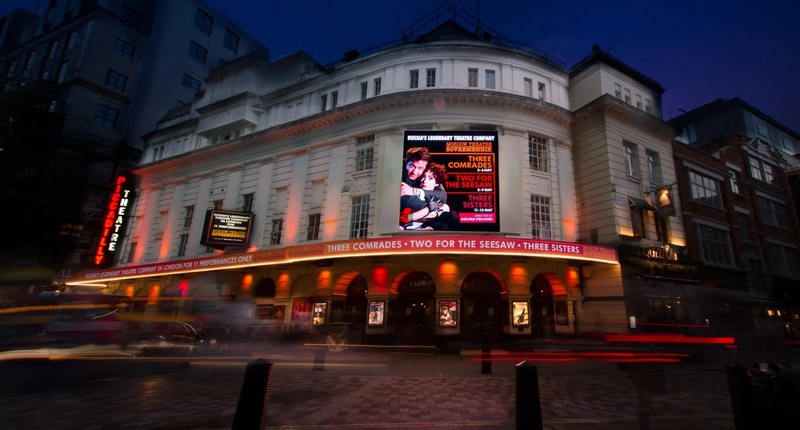
A fixed LED display is designed for permanent installation. Think Times Square billboards, stadium scoreboards, corporate lobby screens, or highway advertising. These units are engineered to stay put for years.
Structural Characteristics of Fixed LED Displays
Fixed LED display cabinets use heavier, more robust construction. Steel enclosures, IP65 weatherproofing for outdoor units, and reinforced frames designed to handle significant wind loads—up to 120 mph in engineered installations.
The wiring is internal and permanent. Once installed, you don’t plan on disconnecting power cables or signal lines every weekend. Backend systems—receiving cards, power supplies, control boxes—are mounted securely within the structure and rarely accessed.
Installation Reality
Many first-time buyers underestimate the complexity of fixed installations. These projects require:
1. Structural engineering assessments (especially for large outdoor walls)
2. Custom mounting solutions (wall brackets, steel frames, or ground poles)
3. Professional electrical work (dedicated circuits, surge protection)
4. Calibration and alignment (ensuring seamless visuals across multiple cabinets)
Installation timeline? A few days for a simple indoor lobby screen. Several weeks for a massive outdoor pylon. The structural work alone can dominate the schedule.
Best Use Cases for Fixed LED Display
Based on experience working with contractors and retailers across North America and Europe, fixed LED display solutions perform best in these scenarios:
| Anwendung | Why Fixed Makes Sense | Typical Specs |
| Outdoor Advertising Billboards | 24/7 operation, weather exposure, minimal maintenance access | P6–P10 pixel pitch, 6000+ nits brightness |
| Retail Storefronts | Permanent brand presence, high-traffic visibility | P3–P5 indoor, 1500+ nits |
| Corporate Lobbies | Professional aesthetics, integrated building systems | P2–P3 fine pitch, sleek design |
| Sports Stadiums | Long-term durability, massive scale | P8–P16, weather-resistant, high refresh rate |
| Transportation Hubs | Government contracts, extended warranties needed | P4–P6, ruggedized cabinets |
What Is a Rental LED Display?
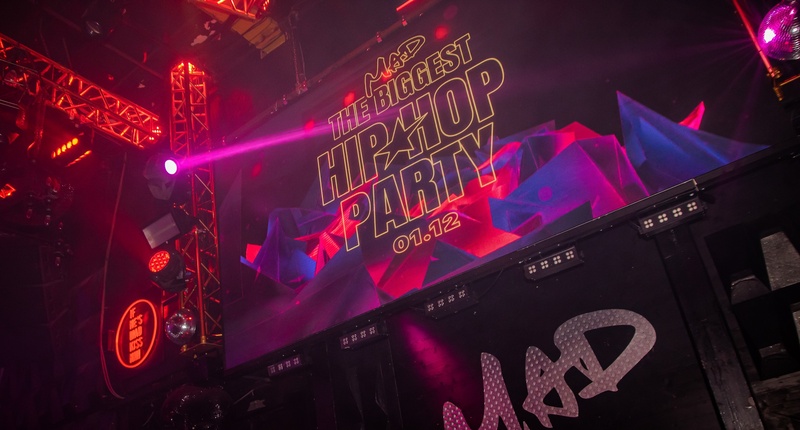
A rental LED display is engineered for frequent assembly, disassembly, and transportation. The difference between fixed and rental is like the difference between a brick building and a modular stage—both serve their purpose, but only one was designed to move.
Built for Mobility
Rental LED display cabinets prioritize features that fixed installations don’t need:
1. Lightweight aluminum construction (roughly 40–50% lighter per m² than fixed equivalents)
2. Quick-lock mechanisms (no tools required for cabinet connections)
3. Protective corner bumpers (surviving transport is the real durability test)
4. Modulares Design (standardized sizing for flexible configurations)
A typical rental cabinet weighs 10–18 kg per m², compared to 25–38 kg per m² for a comparable fixed unit. That weight difference compounds quickly when your crew is handling dozens of panels per event.
The Rental Business Model
For event companies, the economics of owning rental LED inventory come down to utilization. Quality rental LED display inventory typically pays for itself within 18–24 months with regular use. During peak seasons, some companies reach ROI in as little as 14 months.
But the rental ownership model only works with consistent booking volume. Idle inventory depreciates in storage while still requiring maintenance and insurance.
| Faktor | Rental Consideration | Impact on Decision |
| Utilization Rate | Aim for 60%+ booked days annually | Below 40%? Consider renting from a provider instead of owning |
| Transport | Flight cases add cost but protect investment | Factor 15–20% annual maintenance budget |
| Crew Training | Quick assembly requires skilled technicians | Budget 2–3 days for proper training |
| Content-Management | Rental clients often need flexible control systems | Invest in user-friendly controllers |
Why Rental Displays Cost More Per Square Meter
One point that surprises first-time buyers: rental-grade LED panels often cost more per m² than fixed —typically $1,500–4,000/m² VS 800–3,000/m² for fixed. The premium comes from aluminum frames, quick-lock hardware, reinforced corners, and flight cases. You’re paying for durability in transit, not just display performance. A rental panel that survives 200 load-ins and load-outs demands a different level of engineering than a fixed panel that mounts once and stays.
Head-to-Head Comparison: Fixed LED Display vs Rental LED Display
Marketing materials tend to blur the lines. Here’s how these two categories actually compare across the factors that affect your bottom line.
| Besonderheit | Fixed LED Display | Miet-LED-Anzeige |
| Cabinet Weight | 25–38 kg per m² | 10–18 kg per m² |
| Installation Time | Days to weeks | Minutes to hours |
| Pixel Pitch Options | All ranges (P1.2 to P20+) | Typically P2.6 to P6.9 |
| Helligkeit | 1,000–10,000 nits (application dependent) | 800–5,500 nits (indoor/outdoor event range) |
| Weather Rating | IP54 to IP68 available | IP40 to IP54 (indoor/outdoor hybrid) |
| Service Access | Front or rear options | Primarily front-service for quick maintenance |
| Operating Lifespan | 100,000+ hours | 50,000–80,000 hours |
| Effective Calendar Life | 8–10+ years installed | 5–7 years with regular touring |
| Initial Investment | $800–3,000 per m² installed | $1,500–4,000 per m² (rental grade, with flight cases) |
| Annual Operating Cost | Lower (minimal handling) | Higher (labor, transport, maintenance) |
(Note: Prices vary significantly by manufacturer, region, and order volume. These figures represent mid-range estimates for 2026 Q2 market conditions.)
The Hidden Cost Nobody Talks About: Serviceability Over Time
Here’s something most manufacturers won’t emphasize: the long-term cost of keeping your displays running.
Fixed LED displays in permanent installations require routine cleaning and occasional module replacement. Annual maintenance budget: $500–2,000 for most mid-size installations.
Rental LED displays take a different kind of abuse—handling, transport, impact, constant reconfiguration. Industry standard: budget 15–20% of original purchase price annually for maintenance, module replacement, and flight case repairs.
One contractor in Austin learned this the hard way. They budgeted 5% spare parts on their new rental fleet. By month 10, they’d spent 28% on repairs because they weren’t prepared for the wear touring gear absorbs. The math doesn’t forgive underestimation.
How to Choose: Decision Framework for Event Companies, Retailers & Contractors
For Event Companies: The Utilization Math
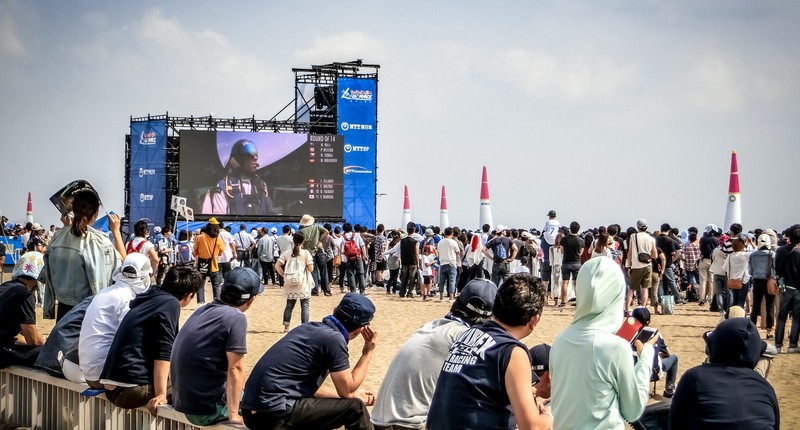
One question determines your path: How many events per year require LED Screen?
If 40+ events annually, owning rental LED display inventory likely makes financial sense. Below that threshold, you’re probably better off renting from a wholesale provider and marking up the service.
Consider client expectations too. Premium corporate clients increasingly expect 4K-ready fine-pitch LED (P2.6-P3.9). If your inventory is older P6+ technology, you’re losing bids to competitors with sharper displays.
For Retailers: The Long-Term View
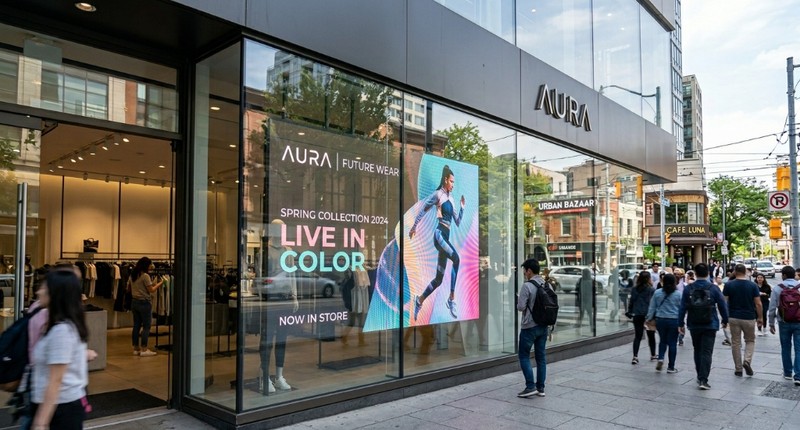
Der Einzelhandel funktioniert nach völlig anderen wirtschaftlichen Prinzipien. Ein fest installiertes LED-Display in einem Flagship-Store ist keine Ausgabe, sondern eine Kapitalinvestition mit messbarem Ertrag:
Digitale Beschilderung erfasst 400% mehr Ansichten als statische Displays (mehrere Studien aus der Einzelhandelsbranche)
LED-Videowände erhöhen die Verweildauer von 30–40% im Durchschnitt
Inhaltsflexibilität Das bedeutet, dass derselbe physische Raum mehreren Werbetreibenden oder Kampagnen dienen kann.
Im Einzelhandel stellt sich eigentlich die Frage, ob Digital Signage überhaupt gerechtfertigt ist – nicht, ob man fest installierte oder gemietete Displays wählt. Angesichts der permanenten Natur von Ladeneinrichtungen sind fest installierte LED-Displays fast immer die richtige Wahl.
For Contractors: Matching Specs to Client Reality
Auftragnehmer, die diese Systeme spezifizieren, sollten diesen Entscheidungsrahmen verwenden:
Festes LED-Display angeben, wenn:
1. Die Installationsdauer beträgt mindestens 3 Jahre.
2. Der Kunde ist Eigentümer des Standorts.
3. Der Wartungszugang ist eingeschränkt oder teuer.
4. Die Witterungseinflüsse sind extrem.
5. Im Budget wird den langfristigen Gesamtbetriebskosten Priorität eingeräumt.
Miet-LED-Display angeben, wenn:
1. Die Projektdauer beträgt weniger als 24 Monate.
2. Der Client benötigt mehrere Konfigurationen.
3. Eine schnelle Bereitstellung ist entscheidend.
4. Der Haushalt enthält laufende Leistungszuweisungen.
5. Der Kunde ist ein Event- oder Erlebnismarketingunternehmen.
Making the Choice That Protects Your Bottom Line
Eine allgemeingültige Antwort gibt es nicht. Ein Eventunternehmen, das auf flexible Mietlösungen setzt, wäre durch feste Installationsvorgaben belastet. Ein Einzelhändler, der seinen fünften festen Standort eröffnet, würde keine temporären Displays in Betracht ziehen. Es handelt sich um grundverschiedene Werkzeuge für grundverschiedene Aufgaben.
Die grundlegende Entscheidungslogik ist einfach:
Wenn Ihre Displays bewegt, angepasst und neu positioniert werden müssen –Miet-LED-Display ist Ihre Kategorie. Aluminiumschränke, Schnellverschlüsse und Flightcases sind keine optionalen Extras; sie sind betriebliche Notwendigkeiten.
Wenn Ihre Displays langlebig, beeindruckend und mit minimalem Eingriff benutzerfreundlich sein müssen –festes LED-Display ist die richtige Wahl. Stahlkonstruktion, Wetterschutz und integrierte Systeme bieten über Jahre hinweg zuverlässigen Betrieb und damit einen echten Mehrwert.
Beginnen Sie mit der Nutzungsberechnung. Ermitteln Sie Ihr tatsächliches Nutzungsverhalten. Sprechen Sie mit Herstellern, die sich auf die jeweilige Produktkategorie spezialisiert haben. Und kalkulieren Sie die gesamten Lebenszykluskosten ein – nicht nur den Anschaffungspreis.
Die richtige Wahl sichert Ihre Gewinnmargen. Die falsche schmälert sie über Jahre hinweg.
FAQ: Common Questions from Buyers and Specifiers
Can I use a rental LED display for permanent installation?
Technisch möglich, aber nicht empfehlenswert. Mietschränke sind nicht für den Dauerbetrieb mit Wärmeregulierung ausgelegt wie fest installierte Geräte. Aluminium dehnt sich bei dauerhafter Witterungseinwirkung anders aus als Stahl und zieht sich bei längerer Einwirkung von Witterungseinflüssen zusammen. Bei dieser Lösung ist mit einer kürzeren Lebensdauer und höheren Ausfallraten zu rechnen.
Can I use a fixed LED display for temporary events?
Das ist zwar möglich, aber allein das Gewicht macht es unpraktisch. Ein fest installierter Schrank mit 25–38 kg pro m² erfordert eine schwerere Konstruktion und deutlich mehr Arbeitszeit. Berücksichtigt man die Arbeitskosten, sind die Einsparungen durch fest installierte Paneele wieder aufgehoben. Und wiederholtes Auseinanderbauen beschädigt Verbindungen, die nicht für diese Belastung ausgelegt sind.
How long does a typical fixed LED display installation take?
Kleinere Installationen in Innenräumen (20–50 Paneele): 1–2 Tage. Große Werbetafeln im Außenbereich: 2–4 Wochen inklusive Montagearbeiten. Installationen in Stadien: 2–3 Monate. Bitte planen Sie einen Puffer von 20% für wetterbedingte Verzögerungen und bauliche Komplikationen ein.
What’s the typical warranty difference?
Fest installierte LED-Displays: Standardmäßig 2–3 Jahre, mit optionaler Verlängerung auf bis zu 5 Jahre. Miet-LED-Displays: Standardmäßig 1–2 Jahre. Bei größeren Bestellmengen besteht in der Regel Verhandlungsspielraum – die Hersteller sind im aktuellen Markt wettbewerbsfähig.