
Fixed LED display and rental LED display are not interchangeable products. They are separate categories engineered for fundamentally different operational realities. A fixed LED display is a permanent infrastructure asset—steel-framed, designed to run 100,000+ hours. A rental LED display is a mobile tool—aluminum-built, quick-locked, engineered to be assembled.
Choosing the wrong type doesn’t just cost more upfront. It compounds into mismatched labor expenses, inflated maintenance, and a system that works against your operational model instead of supporting it.
In this guide, you’ll learn:
1. How the roughly 2× weight difference between fixed and rental cabinets affects your labor and installation costs
2. The usage threshold where owning rental inventory turns profitable (and when it becomes a money pit)
3. Why rental displays carry 15–20% annual maintenance costs versus $500–2,000 for fixed installations—and what happens when you underestimate
4. How to choose the right type based on your role: event company, retailer, or contractor
Whether you’re budgeting a permanent outdoor billboard, evaluating ROI on rental LED inventory, or writing a spec for a client project, this guide provides the comparison data and decision framework to make the right call.
What Is a Fixed LED Display?
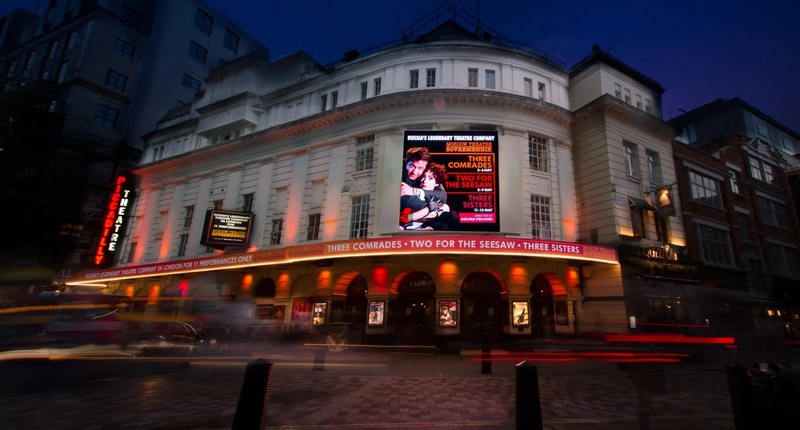
A fixed LED display is designed for permanent installation. Think Times Square billboards, stadium scoreboards, corporate lobby screens, or highway advertising. These units are engineered to stay put for years.
Structural Characteristics of Fixed LED Displays
Fixed LED display cabinets use heavier, more robust construction. Steel enclosures, IP65 weatherproofing for outdoor units, and reinforced frames designed to handle significant wind loads—up to 120 mph in engineered installations.
The wiring is internal and permanent. Once installed, you don’t plan on disconnecting power cables or signal lines every weekend. Backend systems—receiving cards, power supplies, control boxes—are mounted securely within the structure and rarely accessed.
Installation Reality
Many first-time buyers underestimate the complexity of fixed installations. These projects require:
1. Structural engineering assessments (especially for large outdoor walls)
2. Custom mounting solutions (wall brackets, steel frames, or ground poles)
3. Professional electrical work (dedicated circuits, surge protection)
4. Calibration and alignment (ensuring seamless visuals across multiple cabinets)
Installation timeline? A few days for a simple indoor lobby screen. Several weeks for a massive outdoor pylon. The structural work alone can dominate the schedule.
Best Use Cases for Fixed LED Display
Based on experience working with contractors and retailers across North America and Europe, fixed LED display solutions perform best in these scenarios:
| Application | Why Fixed Makes Sense | Typical Specs |
| Outdoor Advertising Billboards | 24/7 operation, weather exposure, minimal maintenance access | P6–P10 pixel pitch, 6000+ nits brightness |
| Retail Storefronts | Permanent brand presence, high-traffic visibility | P3–P5 indoor, 1500+ nits |
| Corporate Lobbies | Professional aesthetics, integrated building systems | P2–P3 fine pitch, sleek design |
| Sports Stadiums | Long-term durability, massive scale | P8–P16, weather-resistant, high refresh rate |
| Transportation Hubs | Government contracts, extended warranties needed | P4–P6, ruggedized cabinets |
What Is a Rental LED Display?
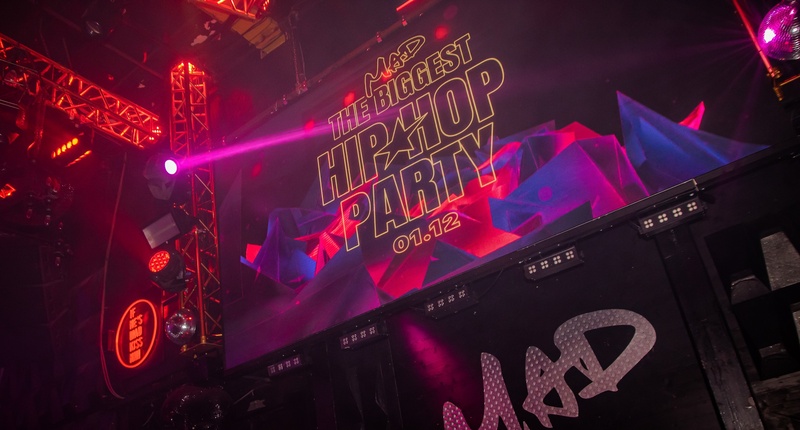
A rental LED display is engineered for frequent assembly, disassembly, and transportation. The difference between fixed and rental is like the difference between a brick building and a modular stage—both serve their purpose, but only one was designed to move.
Built for Mobility
Rental LED display cabinets prioritize features that fixed installations don’t need:
1. Lightweight aluminum construction (roughly 40–50% lighter per m² than fixed equivalents)
2. Quick-lock mechanisms (no tools required for cabinet connections)
3. Protective corner bumpers (surviving transport is the real durability test)
4. Conception modulaire (standardized sizing for flexible configurations)
A typical rental cabinet weighs 10–18 kg per m², compared to 25–38 kg per m² for a comparable fixed unit. That weight difference compounds quickly when your crew is handling dozens of panels per event.
The Rental Business Model
For event companies, the economics of owning rental LED inventory come down to utilization. Quality rental LED display inventory typically pays for itself within 18–24 months with regular use. During peak seasons, some companies reach ROI in as little as 14 months.
But the rental ownership model only works with consistent booking volume. Idle inventory depreciates in storage while still requiring maintenance and insurance.
| Factor | Rental Consideration | Impact on Decision |
| Utilization Rate | Aim for 60%+ booked days annually | Below 40%? Consider renting from a provider instead of owning |
| Transport | Flight cases add cost but protect investment | Factor 15–20% annual maintenance budget |
| Crew Training | Quick assembly requires skilled technicians | Budget 2–3 days for proper training |
| Gestion de contenu | Rental clients often need flexible control systems | Invest in user-friendly controllers |
Why Rental Displays Cost More Per Square Meter
One point that surprises first-time buyers: rental-grade LED panels often cost more per m² than fixed —typically $1,500–4,000/m² VS 800–3,000/m² for fixed. The premium comes from aluminum frames, quick-lock hardware, reinforced corners, and flight cases. You’re paying for durability in transit, not just display performance. A rental panel that survives 200 load-ins and load-outs demands a different level of engineering than a fixed panel that mounts once and stays.
Head-to-Head Comparison: Fixed LED Display vs Rental LED Display
Marketing materials tend to blur the lines. Here’s how these two categories actually compare across the factors that affect your bottom line.
| Fonctionnalité | Fixed LED Display | Écran LED de location |
| Cabinet Weight | 25–38 kg per m² | 10–18 kg per m² |
| Installation Time | Days to weeks | Minutes to hours |
| Pixel Pitch Options | All ranges (P1.2 to P20+) | Typically P2.6 to P6.9 |
| Luminosité | 1,000–10,000 nits (application dependent) | 800–5,500 nits (indoor/outdoor event range) |
| Weather Rating | IP54 to IP68 available | IP40 to IP54 (indoor/outdoor hybrid) |
| Service Access | Front or rear options | Primarily front-service for quick maintenance |
| Operating Lifespan | 100,000+ hours | 50,000–80,000 hours |
| Effective Calendar Life | 8–10+ years installed | 5–7 years with regular touring |
| Initial Investment | $800–3,000 per m² installed | $1,500–4,000 per m² (rental grade, with flight cases) |
| Annual Operating Cost | Lower (minimal handling) | Higher (labor, transport, maintenance) |
(Note: Prices vary significantly by manufacturer, region, and order volume. These figures represent mid-range estimates for 2026 Q2 market conditions.)
The Hidden Cost Nobody Talks About: Serviceability Over Time
Here’s something most manufacturers won’t emphasize: the long-term cost of keeping your displays running.
Fixed LED displays in permanent installations require routine cleaning and occasional module replacement. Annual maintenance budget: $500–2,000 for most mid-size installations.
Rental LED displays take a different kind of abuse—handling, transport, impact, constant reconfiguration. Industry standard: budget 15–20% of original purchase price annually for maintenance, module replacement, and flight case repairs.
One contractor in Austin learned this the hard way. They budgeted 5% spare parts on their new rental fleet. By month 10, they’d spent 28% on repairs because they weren’t prepared for the wear touring gear absorbs. The math doesn’t forgive underestimation.
How to Choose: Decision Framework for Event Companies, Retailers & Contractors
For Event Companies: The Utilization Math
One question determines your path: How many events per year require LED Screen?
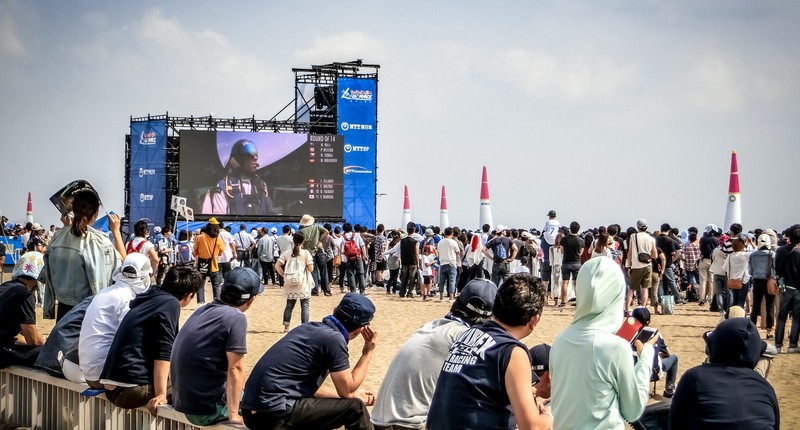
If 40+ events annually, owning rental LED display inventory likely makes financial sense. Below that threshold, you’re probably better off renting from a wholesale provider and marking up the service.
Tenez également compte des attentes de vos clients. Les entreprises clientes exigeantes recherchent de plus en plus des écrans LED à pas de pixel fin (P2.6-P3.9) compatibles 4K. Si votre parc d'écrans utilise la technologie P6+, vous risquez de perdre des contrats face à vos concurrents qui proposent des écrans plus nets.
For Retailers: The Long-Term View
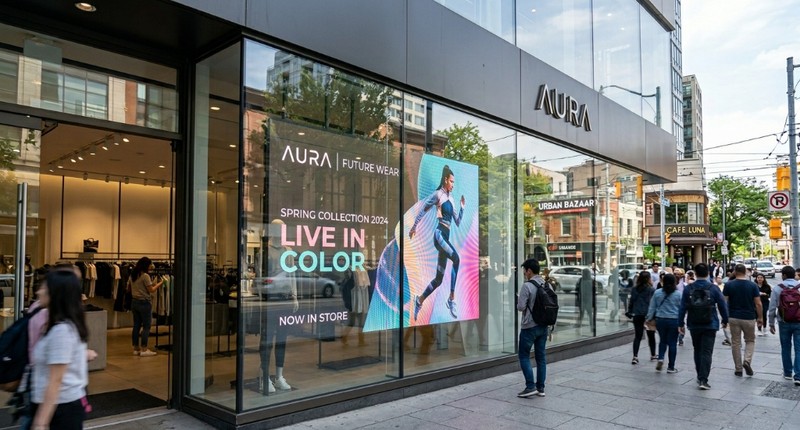
Le commerce de détail fonctionne selon des principes économiques totalement différents. Un écran LED fixe dans un magasin phare n'est pas une dépense, mais un investissement dont le retour sur investissement est mesurable.
L'affichage numérique génère 400% vues supplémentaires que les présentoirs statiques (plusieurs études du secteur de la vente au détail)
Les murs d'images LED augmentent le temps passé devant les écrans en moyenne 30–40%
Flexibilité du contenu cela signifie que le même espace physique peut servir plusieurs annonceurs ou campagnes
Pour le commerce de détail, la véritable question est de savoir si l'affichage numérique est justifié, et non de choisir entre un affichage fixe et un affichage loué. Compte tenu du caractère permanent des installations en magasin, l'écran LED fixe est presque toujours la solution la plus appropriée.
For Contractors: Matching Specs to Client Reality
Les entreprises qui spécifient ces systèmes doivent utiliser ce cadre de décision :
Spécifiez l'affichage LED fixe lorsque :
1. Le délai d'installation est de plus de 3 ans.
2. Le client est propriétaire des lieux.
3. L'accès pour la maintenance est limité ou coûteux.
4. L'exposition aux intempéries est extrême.
5. Le budget privilégie le coût total de possession à long terme
Spécifiez quand l'écran LED de location :
1. La durée du projet est inférieure à 24 mois.
2. Le client a besoin de plusieurs configurations.
3. Un déploiement rapide est essentiel
4. Le budget prévoit des allocations pour les services courants.
5. Le client est une entreprise spécialisée dans l'événementiel ou le marketing expérientiel.
Making the Choice That Protects Your Bottom Line
Il n'existe pas de solution universelle. Une entreprise événementielle qui mise sur la flexibilité de la location serait pénalisée par des exigences d'installation fixes. Un détaillant qui ouvre son cinquième magasin permanent n'envisagerait pas d'installations temporaires. Ce sont des outils fondamentalement différents pour des besoins fondamentalement différents.
La logique de décision de base est simple :
Si vos écrans doivent être déplacés, adaptés et redéployés —écran LED de location C'est votre catégorie. Les armoires en aluminium, les verrous rapides et les flight cases ne sont pas des options ; ce sont des nécessités opérationnelles.
Si vos écrans doivent être durables, impressionner et fonctionner avec un minimum d'intervention —écran LED fixe C'est le choix idéal. Sa construction en acier, son étanchéité et ses systèmes intégrés garantissent une valeur ajoutée sur la durée, grâce à un fonctionnement fiable.
Commencez par calculer vos besoins réels. Évaluez votre consommation actuelle. Consultez les fabricants spécialisés dans chaque catégorie. Et prévoyez un budget prenant en compte le coût total du cycle de vie, et pas seulement le prix d'achat.
Le bon choix protège vos marges. Le mauvais les érode pendant des années.
FAQ: Common Questions from Buyers and Specifiers
Can I use a rental LED display for permanent installation?
C'est techniquement possible, mais déconseillé. Les armoires de location ne sont pas conçues pour une gestion thermique continue comme les unités fixes. L'aluminium se dilate et se contracte différemment de l'acier sous l'effet d'une exposition extérieure permanente. Attendez-vous à une durée de vie plus courte et à un taux de panne plus élevé avec cette solution.
Can I use a fixed LED display for temporary events?
C'est possible, mais le poids à lui seul rend la solution impraticable. Une armoire fixe de 25 à 38 kg par m² nécessite un montage plus lourd et un temps de travail considérablement plus important. Une fois les coûts de main-d'œuvre pris en compte, les économies réalisées grâce à l'utilisation de panneaux fixes sont annulées. De plus, les démontages répétés risquent d'endommager les connexions non conçues pour un tel usage.
How long does a typical fixed LED display installation take?
Installations intérieures de petite taille (20 à 50 panneaux) : 1 à 2 jours. Grands panneaux d’affichage extérieurs : 2 à 4 semaines, travaux de structure inclus. Installations dans les stades : 2 à 3 mois. Prévoir une marge de sécurité 20% en cas d’intempéries ou de complications structurelles.
What’s the typical warranty difference?
Écran LED fixe : garantie standard de 2 à 3 ans, extensible jusqu’à 5 ans. Écran LED en location : garantie standard de 1 à 2 ans. Les commandes importantes sont généralement négociables, les fabricants étant très compétitifs sur le marché actuel.