
Fixed LED display and rental LED display are not interchangeable products. They are separate categories engineered for fundamentally different operational realities. A fixed LED display is a permanent infrastructure asset—steel-framed, designed to run 100,000+ hours. A rental LED display is a mobile tool—aluminum-built, quick-locked, engineered to be assembled.
Choosing the wrong type doesn’t just cost more upfront. It compounds into mismatched labor expenses, inflated maintenance, and a system that works against your operational model instead of supporting it.
In this guide, you’ll learn:
1. How the roughly 2× weight difference between fixed and rental cabinets affects your labor and installation costs
2. The usage threshold where owning rental inventory turns profitable (and when it becomes a money pit)
3. Why rental displays carry 15–20% annual maintenance costs versus $500–2,000 for fixed installations—and what happens when you underestimate
4. How to choose the right type based on your role: event company, retailer, or contractor
Whether you’re budgeting a permanent outdoor billboard, evaluating ROI on rental LED inventory, or writing a spec for a client project, this guide provides the comparison data and decision framework to make the right call.
What Is a Fixed LED Display?
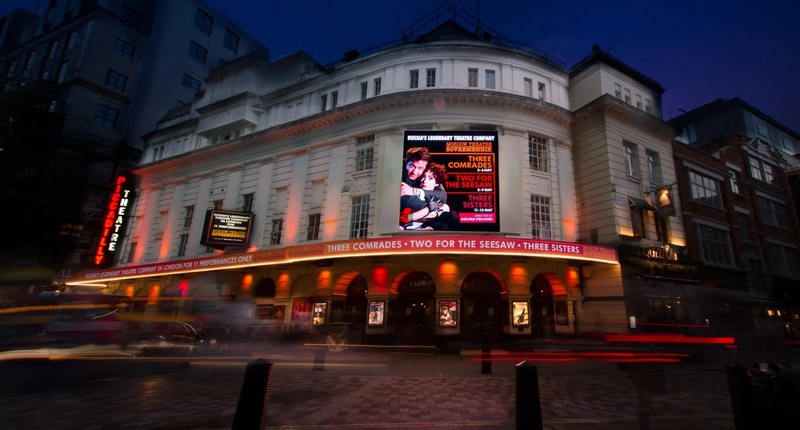
A fixed LED display is designed for permanent installation. Think Times Square billboards, stadium scoreboards, corporate lobby screens, or highway advertising. These units are engineered to stay put for years.
Structural Characteristics of Fixed LED Displays
Fixed LED display cabinets use heavier, more robust construction. Steel enclosures, IP65 weatherproofing for outdoor units, and reinforced frames designed to handle significant wind loads—up to 120 mph in engineered installations.
The wiring is internal and permanent. Once installed, you don’t plan on disconnecting power cables or signal lines every weekend. Backend systems—receiving cards, power supplies, control boxes—are mounted securely within the structure and rarely accessed.
Installation Reality
Many first-time buyers underestimate the complexity of fixed installations. These projects require:
1. Structural engineering assessments (especially for large outdoor walls)
2. Custom mounting solutions (wall brackets, steel frames, or ground poles)
3. Professional electrical work (dedicated circuits, surge protection)
4. Calibration and alignment (ensuring seamless visuals across multiple cabinets)
Installation timeline? A few days for a simple indoor lobby screen. Several weeks for a massive outdoor pylon. The structural work alone can dominate the schedule.
Best Use Cases for Fixed LED Display
Based on experience working with contractors and retailers across North America and Europe, fixed LED display solutions perform best in these scenarios:
| Aplicativo | Why Fixed Makes Sense | Typical Specs |
| Outdoor Advertising Billboards | 24/7 operation, weather exposure, minimal maintenance access | P6–P10 pixel pitch, 6000+ nits brightness |
| Retail Storefronts | Permanent brand presence, high-traffic visibility | P3–P5 indoor, 1500+ nits |
| Corporate Lobbies | Professional aesthetics, integrated building systems | P2–P3 fine pitch, sleek design |
| Sports Stadiums | Long-term durability, massive scale | P8–P16, weather-resistant, high refresh rate |
| Transportation Hubs | Government contracts, extended warranties needed | P4–P6, ruggedized cabinets |
What Is a Rental LED Display?
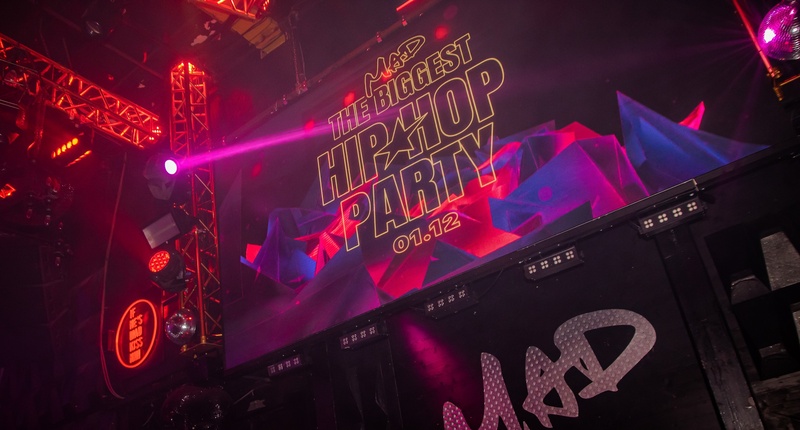
A rental LED display is engineered for frequent assembly, disassembly, and transportation. The difference between fixed and rental is like the difference between a brick building and a modular stage—both serve their purpose, but only one was designed to move.
Built for Mobility
Rental LED display cabinets prioritize features that fixed installations don’t need:
1. Lightweight aluminum construction (roughly 40–50% lighter per m² than fixed equivalents)
2. Quick-lock mechanisms (no tools required for cabinet connections)
3. Protective corner bumpers (surviving transport is the real durability test)
4. Design modular (standardized sizing for flexible configurations)
A typical rental cabinet weighs 10–18 kg per m², compared to 25–38 kg per m² for a comparable fixed unit. That weight difference compounds quickly when your crew is handling dozens of panels per event.
The Rental Business Model
For event companies, the economics of owning rental LED inventory come down to utilization. Quality rental LED display inventory typically pays for itself within 18–24 months with regular use. During peak seasons, some companies reach ROI in as little as 14 months.
But the rental ownership model only works with consistent booking volume. Idle inventory depreciates in storage while still requiring maintenance and insurance.
| Factor | Rental Consideration | Impact on Decision |
| Utilization Rate | Aim for 60%+ booked days annually | Below 40%? Consider renting from a provider instead of owning |
| Transporte | Flight cases add cost but protect investment | Factor 15–20% annual maintenance budget |
| Crew Training | Quick assembly requires skilled technicians | Budget 2–3 days for proper training |
| Gerenciamento de conteúdo | Rental clients often need flexible control systems | Invest in user-friendly controllers |
Why Rental Displays Cost More Per Square Meter
One point that surprises first-time buyers: rental-grade LED panels often cost more per m² than fixed —typically $1,500–4,000/m² VS 800–3,000/m² for fixed. The premium comes from aluminum frames, quick-lock hardware, reinforced corners, and flight cases. You’re paying for durability in transit, not just display performance. A rental panel that survives 200 load-ins and load-outs demands a different level of engineering than a fixed panel that mounts once and stays.
Head-to-Head Comparison: Fixed LED Display vs Rental LED Display
Marketing materials tend to blur the lines. Here’s how these two categories actually compare across the factors that affect your bottom line.
| Recurso | Fixed LED Display | Ecrã LED de aluguer |
| Cabinet Weight | 25–38 kg per m² | 10–18 kg per m² |
| Installation Time | Days to weeks | Minutes to hours |
| Pixel Pitch Options | All ranges (P1.2 to P20+) | Typically P2.6 to P6.9 |
| Brilho | 1,000–10,000 nits (application dependent) | 800–5,500 nits (indoor/outdoor event range) |
| Weather Rating | IP54 to IP68 available | IP40 to IP54 (indoor/outdoor hybrid) |
| Service Access | Front or rear options | Primarily front-service for quick maintenance |
| Operating Lifespan | 100,000+ hours | 50,000–80,000 hours |
| Effective Calendar Life | 8–10+ years installed | 5–7 years with regular touring |
| Initial Investment | $800–3,000 per m² installed | $1,500–4,000 per m² (rental grade, with flight cases) |
| Annual Operating Cost | Lower (minimal handling) | Higher (labor, transport, maintenance) |
(Note: Prices vary significantly by manufacturer, region, and order volume. These figures represent mid-range estimates for 2026 Q2 market conditions.)
The Hidden Cost Nobody Talks About: Serviceability Over Time
Here’s something most manufacturers won’t emphasize: the long-term cost of keeping your displays running.
Fixed LED displays in permanent installations require routine cleaning and occasional module replacement. Annual maintenance budget: $500–2,000 for most mid-size installations.
Rental LED displays take a different kind of abuse—handling, transport, impact, constant reconfiguration. Industry standard: budget 15–20% of original purchase price annually for maintenance, module replacement, and flight case repairs.
One contractor in Austin learned this the hard way. They budgeted 5% spare parts on their new rental fleet. By month 10, they’d spent 28% on repairs because they weren’t prepared for the wear touring gear absorbs. The math doesn’t forgive underestimation.
How to Choose: Decision Framework for Event Companies, Retailers & Contractors
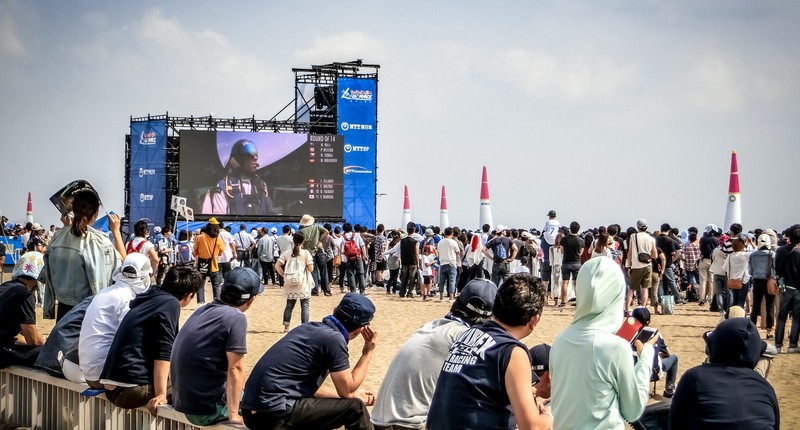
For Event Companies: The Utilization Math
One question determines your path: How many events per year require LED Screen?
If 40+ events annually, owning rental LED display inventory likely makes financial sense. Below that threshold, you’re probably better off renting from a wholesale provider and marking up the service.
Considere também as expectativas dos clientes. Clientes corporativos premium esperam cada vez mais telas LED de passo fino (P2.6-P3.9) prontas para 4K. Se seu estoque utiliza a tecnologia mais antiga, P6 ou superior, você está perdendo licitações para concorrentes com telas de maior nitidez.
For Retailers: The Long-Term View
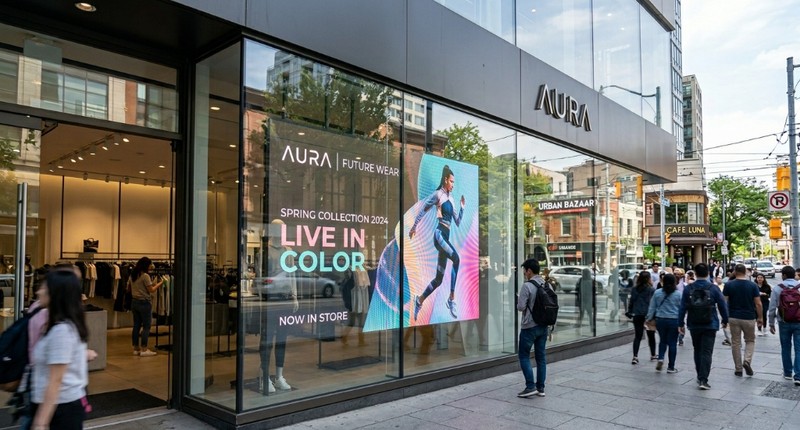
O varejo opera com uma lógica econômica completamente diferente. Um painel de LED fixo em uma loja principal não é uma despesa — é um investimento de capital com retornos mensuráveis:
A sinalização digital captura 400% visualizações adicionais. do que displays estáticos (diversos estudos do setor varejista)
Os painéis de vídeo LED aumentam o tempo de permanência no ambiente. por 30–40% em média
Flexibilidade de conteúdo Significa que o mesmo espaço físico pode servir a vários anunciantes ou campanhas.
Para o varejo, a verdadeira questão é se a sinalização digital se justifica — e não se deve usar painéis fixos ou alugados. Dada a natureza permanente das instalações no varejo, os painéis de LED fixos são quase sempre a categoria correta.
For Contractors: Matching Specs to Client Reality
Os contratistas que especificarem esses sistemas devem usar esta estrutura de decisão:
Especificar display LED fixo quando:
1. O prazo de instalação é de 3 anos ou mais.
2. O cliente é o proprietário do imóvel.
3. O acesso para manutenção é limitado ou caro.
4. A exposição às intempéries é extrema.
5. O orçamento prioriza o custo total de propriedade a longo prazo.
Especificar o painel de LED para locação quando:
1. A duração do projeto é inferior a 24 meses.
2. O cliente precisa de múltiplas configurações.
3. A implantação rápida é fundamental.
4. O orçamento prevê dotações para serviços contínuos.
5. O cliente é uma empresa de marketing de eventos ou de experiências.
Making the Choice That Protects Your Bottom Line
Não existe uma resposta universal. A empresa de eventos que prospera com a flexibilidade do aluguel ficaria sobrecarregada com requisitos fixos de instalação. O varejista que está construindo sua quinta loja permanente não consideraria displays temporários. São ferramentas fundamentalmente diferentes para trabalhos fundamentalmente diferentes.
A lógica central da decisão é simples:
Se os seus displays precisarem ser movidos, adaptados e reimplantados—aluguel de visor de LED é a sua categoria. Armários de alumínio, fechaduras de engate rápido e flight cases não são opcionais; são itens essenciais para o funcionamento.
Se os seus displays precisam ser duráveis, impressionar e operar com o mínimo de intervenção—display LED fixo é a escolha certa. Construção em aço, vedação contra intempéries e sistemas integrados agregam valor ao longo de anos de operação confiável.
Comece com os cálculos de utilização. Calcule seus padrões de uso reais. Converse com fabricantes especializados em cada categoria. E inclua no orçamento os custos reais do ciclo de vida — não apenas o preço de compra.
A escolha certa protege suas margens de lucro. A escolha errada as corrói por anos.
FAQ: Common Questions from Buyers and Specifiers
Can I use a rental LED display for permanent installation?
Tecnicamente possível, mas não recomendável. Os gabinetes de aluguel não são projetados para o gerenciamento de calor 24 horas por dia, 7 dias por semana, da mesma forma que as unidades fixas. A construção em alumínio se expande e contrai de maneira diferente do aço sob exposição permanente ao ar livre. Espere uma vida útil 30–40% menor e taxas de falha mais altas se optar por essa solução.
Can I use a fixed LED display for temporary events?
É possível, mas o peso por si só torna isso impraticável. Um gabinete fixo com 25 a 38 kg por m² exige equipamentos de içamento mais pesados e muito mais tempo da equipe. Ao considerar os custos de mão de obra, você anula qualquer economia obtida com o uso de painéis fixos. Além disso, a desmontagem repetida danificará conexões que não foram projetadas para esse ciclo.
How long does a typical fixed LED display installation take?
Instalações internas de pequeno porte (20 a 50 painéis): 1 a 2 dias. Outdoors de grande porte: 2 a 4 semanas, incluindo obras estruturais. Instalações em estádios: 2 a 3 meses. Adicione uma margem de segurança de 20% para atrasos devido ao clima e complicações estruturais.
What’s the typical warranty difference?
Painel de LED fixo: garantia padrão de 2 a 3 anos, com opções de extensão até 5 anos. Painel de LED para locação: garantia padrão de 1 a 2 anos. Pedidos em grande volume geralmente permitem negociação, pois os fabricantes são competitivos no mercado atual.