
固定式LEDディスプレイとレンタル式LEDディスプレイは、互換性のある製品ではありません。これらは、根本的に異なる運用環境に合わせて設計された、別々のカテゴリーの製品です。固定式LEDディスプレイは、恒久的なインフラ資産であり、スチールフレーム構造で、10万時間以上の稼働を想定して設計されています。一方、レンタル式LEDディスプレイは、移動可能なツールであり、アルミニウム製で、クイックロック機構を備え、組み立てやすいように設計されています。.
間違ったタイプを選ぶと、初期費用が高くなるだけでなく、人件費の不一致、メンテナンス費用の増加、そして業務モデルをサポートするどころか阻害するシステムになってしまうなど、様々な問題が生じます。.
このガイドでは、以下のことを学びます。
1. 固定式キャビネットとレンタル式キャビネットの重量差(約2倍)が、人件費と設置費用にどのような影響を与えるか
2. レンタル在庫の保有が利益を生むようになる利用率の閾値(そして、それが金食い虫になる閾値)
3. レンタルディスプレイの年間メンテナンス費用が15~20%であるのに対し、固定設置の場合は$500~2,000である理由、そして見積もりを過小評価するとどうなるか
4. イベント会社、小売業者、請負業者など、役割に応じて適切なタイプを選択する方法
常設の屋外看板の予算編成、レンタルLED広告の投資対効果の評価、クライアントプロジェクトの仕様書作成など、どのような場合でも、このガイドは適切な判断を下すための比較データと意思決定フレームワークを提供します。.
固定型LEDディスプレイとは何ですか?
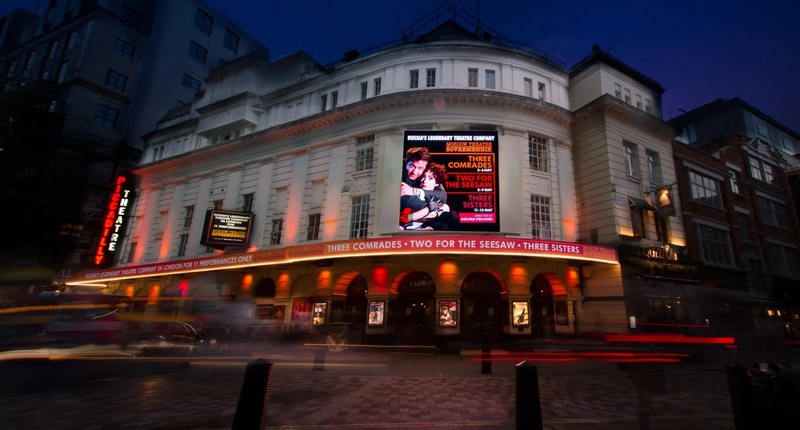
固定式LEDディスプレイは、恒久的な設置を想定して設計されています。タイムズスクエアの大型看板、スタジアムのスコアボード、企業のロビーにあるスクリーン、高速道路の広告などを想像してみてください。これらのユニットは、長年にわたって同じ場所に設置されたまま使用できるように設計されています。.
固定型LEDディスプレイの構造的特徴
固定式LEDディスプレイキャビネットは、より重厚で堅牢な構造を採用しています。スチール製の筐体、屋外設置ユニットにはIP65の防水・防塵性能、そして最大風速120mph(約193km/h)までの強風にも耐えられるよう設計された強化フレームを備えています。.
配線は内部に埋め込まれており、恒久的なものです。一度設置すれば、毎週のように電源ケーブルや信号線を抜き差しする必要はありません。受信カード、電源装置、制御ボックスといったバックエンドシステムは、構造物内部にしっかりと固定され、めったにアクセスされることもありません。.
インスタレーション・リアリティ
初めて購入する人の多くは、固定設備の複雑さを過小評価しがちです。これらのプロジェクトには、以下の要件があります。
1. 構造工学評価 (特に大きな屋外壁面の場合)
2. カスタム取り付けソリューション (壁掛け金具、鉄骨フレーム、または地面設置用ポール)
3. プロの電気工事 (専用回路、サージ保護)
4. キャリブレーションとアライメント (複数のキャビネット間でシームレスなビジュアルを確保する)
設置期間は?シンプルな屋内ロビー用スクリーンなら数日。巨大な屋外用支柱なら数週間。構造工事だけでスケジュールの大部分を占めることもあります。.
固定型LEDディスプレイの最適な使用例
北米およびヨーロッパの請負業者や小売業者との協業経験に基づくと、固定式LEDディスプレイソリューションは、以下のような状況で最も優れた性能を発揮します。
| 応用 | 固定式が理にかなっている理由 | 標準仕様 |
| 屋外広告看板 | 24時間365日稼働、天候の影響を受けやすい、メンテナンスの手間が少ない | P6~P10ピクセルピッチ、6000ニト以上の輝度 |
| 小売店の店頭 | 永続的なブランドプレゼンス、高いトラフィック視認性 | P3~P5(屋内)、1500ニト以上 |
| 企業ロビー | プロフェッショナルな美意識、統合された建築システム | P2~P3の精密なピッチ、洗練されたデザイン |
| スポーツスタジアム | 長期耐久性、大規模 | P8~P16、耐候性、高リフレッシュレート |
| 交通拠点 | 政府契約、延長保証が必要 | P4~P6、堅牢型キャビネット |
レンタル用LEDディスプレイとは?
レンタル用LEDディスプレイは、頻繁な組み立て、分解、輸送を前提に設計されています。固定式とレンタル式の違いは、レンガ造りの建物とモジュール式の舞台の違いのようなものです。どちらもそれぞれの目的を果たしますが、移動を前提に設計されているのは片方だけです。.
モビリティを重視して設計されています
レンタル用LEDディスプレイキャビネットは、固定設置では不要な機能を優先的に備えています。
1. 軽量アルミニウム構造 (固定式同等品と比較して、1平方メートルあたり約40~501トン軽量)
2. クイックロック機構 (キャビネット接続に工具は不要です)
3. 保護コーナーバンパー (輸送に耐えることが真の耐久性テストだ)
4. モジュール設計 (柔軟な構成に対応するための標準化されたサイズ)
一般的なレンタル用キャビネットの重量は1平方メートルあたり10~18kgであるのに対し、同等の固定式ユニットは1平方メートルあたり25~38kgです。イベントごとに数十枚のパネルを扱う場合、この重量差はすぐに大きな負担となります。.
レンタルビジネスモデル
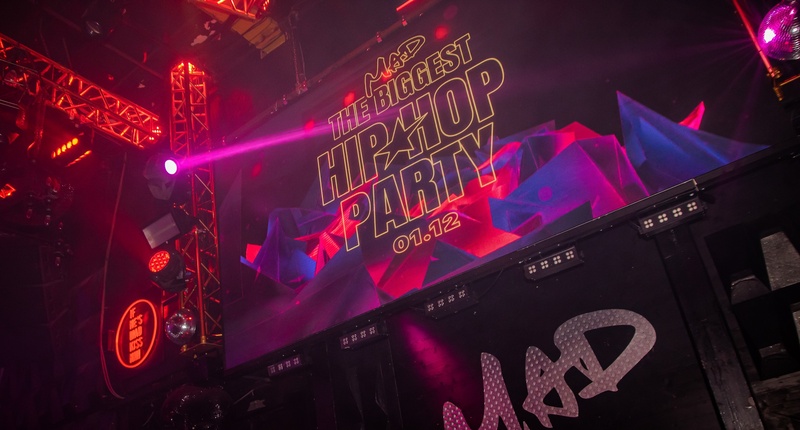
イベント会社にとって、レンタル用LEDディスプレイの在庫を所有する経済性は、利用率にかかっています。高品質のレンタル用LEDディスプレイは、定期的に使用すれば通常18~24ヶ月で投資回収が可能です。繁忙期には、わずか14ヶ月で投資回収を達成する企業もあります。.
しかし、賃貸所有モデルは、 安定した予約量. 遊休在庫は保管中に価値が下がるだけでなく、メンテナンスや保険も必要となる。.
| 要素 | 賃貸に関する考慮事項 | 意思決定への影響 |
| 利用率 | 年間60%+の予約日数を目指す | 40%以下の物件をお探しですか?所有するよりも、プロバイダーからレンタルすることを検討してみてはいかがでしょうか。 |
| 交通機関 | フライトケースはコスト増につながるが、投資を保護する。 | 要因15-20%年間保守予算 |
| 乗組員訓練 | 迅速な組み立てには熟練した技術者が必要です | 適切なトレーニングには2~3日を見込んでください。 |
| コンテンツ管理 | 賃貸物件の利用者は、柔軟な制御システムを必要とすることが多い。 | 使いやすいコントローラーに投資しましょう |
レンタルディスプレイの1平方メートルあたりの価格が高い理由
初めて購入する人が驚く点のひとつは、レンタル用LEDパネルは固定式パネルよりも1平方メートルあたりの価格が高い場合が多いということです。一般的に、レンタル用パネルは1,500~4,000ドル/平方メートル、固定式パネルは800~3,000ドル/平方メートルです。この価格差は、アルミフレーム、クイックロック式金具、強化コーナー、フライトケースといった部品によるものです。つまり、ディスプレイ性能だけでなく、輸送中の耐久性にもお金を払っているのです。200回もの搬入・搬出に耐えるレンタル用パネルは、一度設置すればそのままの状態を保つ固定式パネルとは異なるレベルの設計が求められます。.
直接比較:固定式LEDディスプレイ vs レンタル式LEDディスプレイ
マーケティング資料では、この2つのカテゴリーの境界線が曖昧になりがちです。ここでは、収益に影響を与える要因に関して、これら2つのカテゴリーを実際に比較してみましょう。.
| 特徴 | 固定式LEDディスプレイ | レンタルLEDディスプレイ |
| キャビネットの重量 | 1平方メートルあたり25~38kg | 1平方メートルあたり10~18kg |
| インストール時間 | 数日から数週間 | 数分から数時間 |
| ピクセルピッチオプション | 全範囲(P1.2~P20+) | 通常P2.6~P6.9 |
| 明るさ | 1,000~10,000ニト(用途による) | 800~5,500ニト(屋内/屋外イベント対応範囲) |
| 天気評価 | IP54~IP68に対応 | IP40~IP54(屋内/屋外兼用) |
| サービスアクセス | フロントまたはリアのオプション | 主に迅速なメンテナンスのためのフロントサービス |
| 動作寿命 | 10万時間以上 | 50,000~80,000時間 |
| 有効な暦年 | 設置後8~10年以上経過 | 定期的なツアーを伴う5~7年間 |
| 初期投資 | $800~3,000(設置済み1平方メートルあたり) | $1,500~4,000/m²(レンタルグレード、フライトケース付き) |
| 年間運営費 | 低い(最小限の取り扱い) | より高い(労働、輸送、保守) |
(注:価格はメーカー、地域、注文量によって大きく異なります。これらの数値は、2026年第2四半期の市場状況に関する中間的な推定値です。)
誰も語らない隠れたコスト:経年劣化に伴う保守性
ほとんどのメーカーが強調しない点がここにあります。 ディスプレイを稼働させ続けるための長期的なコスト。.
常設設置型の固定式LEDディスプレイは、定期的な清掃と時折のモジュール交換が必要です。年間保守予算は、中規模設置の場合、$500~2,000程度です。.
レンタル用LEDディスプレイは、取り扱い、輸送、衝撃、頻繁な再構成など、通常とは異なる過酷な環境にさらされます。業界標準では、メンテナンス、モジュール交換、フライトケース修理のために、年間購入価格の15~20%の予算が計上されています。.
オースティンのある建設業者は、このことを身をもって痛感した。彼らは新しいレンタル機材の予備部品を5%と予算計上していた。しかし、ツアー機材の摩耗を想定していなかったため、10ヶ月後には修理費用に28%も費やしてしまった。計算上、見積もり不足は許されないのだ。.
選び方:イベント会社、小売業者、請負業者のための意思決定フレームワーク
イベント会社向け:利用率計算
あなたの進むべき道を決めるのは、たった一つの質問です。 年間でどのくらいのイベントにLEDスクリーンが必要ですか?
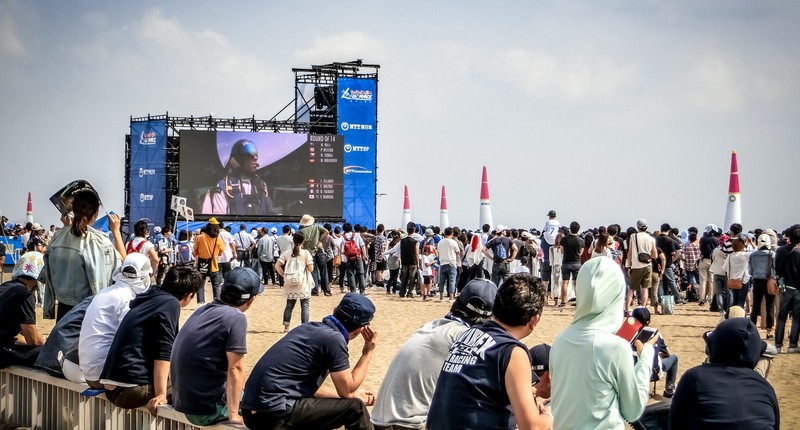
年間40件以上のイベントを開催するのであれば、レンタル用LEDディスプレイの在庫を自社で保有する方が経済的に理にかなっているでしょう。それ以下の場合は、卸売業者からレンタルしてサービス料金に上乗せする方がおそらく得策です。.
Consider client expectations too. Premium corporate clients increasingly expect 4K-ready fine-pitch LED (P2.6-P3.9). If your inventory is older P6+ technology, you’re losing bids to competitors with sharper displays.
小売業者向け:長期的な視点
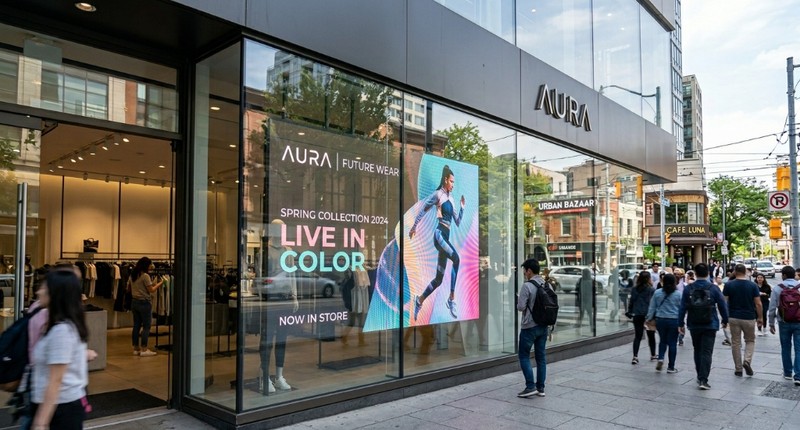
Retail operates on different economics entirely. A fixed LED display in a flagship store isn’t an expense—it’s a capital investment with measurable returns:
Digital signage captures 400% more views than static displays (multiple retail industry studies)
LED video walls increase dwell time by 30–40% on average
Content flexibility means the same physical space can serve multiple advertisers or campaigns
For retail, the real question is whether digital signage is justified at all—not whether to use fixed or rental. Given the permanent nature of retail installations, fixed LED display is almost always the correct category.
請負業者向け:仕様と顧客の実情を一致させる
Contractors specifying these systems should use this decision framework:
Specify Fixed LED Display When:
1. Installation timeline is 3+ years
2. The client owns the location
3. Maintenance access is limited or expensive
4. Weather exposure is extreme
5. The budget prioritizes long-term total cost of ownership
Specify Rental LED Display When:
1. Project duration is under 24 months
2. The client needs multiple configurations
3. Quick deployment is critical
4. The budget has ongoing service allocations
5. The client is an event or experiential marketing company
収益を守るための選択をする
There is no universal answer. The event company that thrives on rental flexibility would be burdened by fixed installation requirements. The retailer building their fifth permanent location wouldn’t consider temporary displays. These are fundamentally different tools for fundamentally different jobs.
The core decision logic is straightforward:
If your displays need to move, adapt, and redeploy—rental LED display is your category. Aluminum cabinets, quick locks, and flight cases aren’t optional extras; they’re operational necessities.
If your displays need to endure, impress, and operate with minimal intervention—fixed LED display is the correct choice. Steel construction, weather sealing, and integrated systems deliver value over years of reliable operation.
Start with the utilization math. Calculate your actual usage patterns. Talk to manufacturers who specialize in each category. And budget for true lifecycle costs—not just purchase price.
The right choice protects your margins. The wrong one erodes them for years.
FAQ:購入者および仕様策定者からのよくある質問
レンタルLEDディスプレイを常設設置に使用することはできますか?
Technically possible, but not advisable. Rental cabinets aren’t designed for 24/7 heat management in the same way fixed units are. Aluminum construction expands and contracts differently than steel under permanent outdoor exposure. Expect 30–40% shorter lifespan and higher failure rates if you go this route.
固定式のLEDディスプレイを一時的なイベントに使用できますか?
You can, but the weight alone makes it impractical. A fixed cabinet at 25–38 kg per m² requires heavier rigging and significantly more crew time. By the time you factor in labor costs, you’ve negated any savings from using fixed panels. And repeated disassembly will damage connections not designed for that cycle.
一般的な固定式LEDディスプレイの設置には、どのくらいの時間がかかりますか?
Small indoor installations (20–50 panels): 1–2 days. Large outdoor billboards: 2–4 weeks including structural work. Stadium installations: 2–3 months. Add a 20% buffer for weather delays and structural complications.
保証内容の一般的な違いはどれくらいですか?
Fixed LED display: 2–3 years standard, with extended options up to 5 years. Rental LED display: 1–2 years standard. Volume orders typically have room for negotiation—manufacturers are competitive in the current market.