
Fixed LED display and rental LED display are not interchangeable products. They are separate categories engineered for fundamentally different operational realities. A fixed LED display is a permanent infrastructure asset—steel-framed, designed to run 100,000+ hours. A rental LED display is a mobile tool—aluminum-built, quick-locked, engineered to be assembled.
Choosing the wrong type doesn’t just cost more upfront. It compounds into mismatched labor expenses, inflated maintenance, and a system that works against your operational model instead of supporting it.
In this guide, you’ll learn:
1. How the roughly 2× weight difference between fixed and rental cabinets affects your labor and installation costs
2. The usage threshold where owning rental inventory turns profitable (and when it becomes a money pit)
3. Why rental displays carry 15–20% annual maintenance costs versus $500–2,000 for fixed installations—and what happens when you underestimate
4. How to choose the right type based on your role: event company, retailer, or contractor
Whether you’re budgeting a permanent outdoor billboard, evaluating ROI on rental LED inventory, or writing a spec for a client project, this guide provides the comparison data and decision framework to make the right call.
What Is a Fixed LED Display?
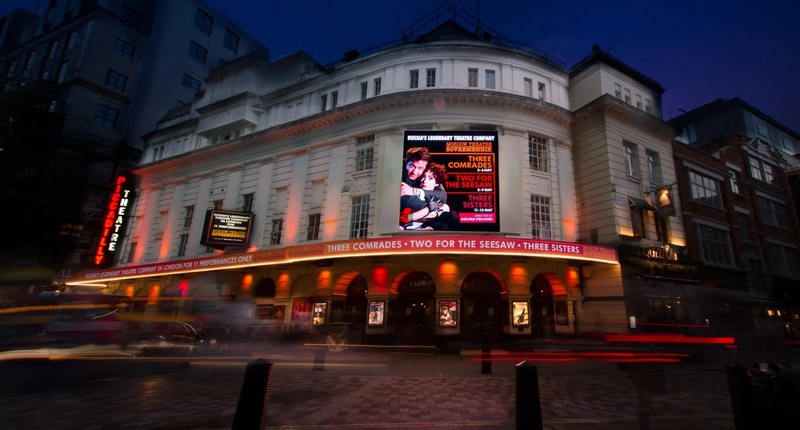
A fixed LED display is designed for permanent installation. Think Times Square billboards, stadium scoreboards, corporate lobby screens, or highway advertising. These units are engineered to stay put for years.
Structural Characteristics of Fixed LED Displays
Fixed LED display cabinets use heavier, more robust construction. Steel enclosures, IP65 weatherproofing for outdoor units, and reinforced frames designed to handle significant wind loads—up to 120 mph in engineered installations.
The wiring is internal and permanent. Once installed, you don’t plan on disconnecting power cables or signal lines every weekend. Backend systems—receiving cards, power supplies, control boxes—are mounted securely within the structure and rarely accessed.
Installation Reality
Many first-time buyers underestimate the complexity of fixed installations. These projects require:
1. Structural engineering assessments (especially for large outdoor walls)
2. Custom mounting solutions (wall brackets, steel frames, or ground poles)
3. Professional electrical work (dedicated circuits, surge protection)
4. Calibration and alignment (ensuring seamless visuals across multiple cabinets)
Installation timeline? A few days for a simple indoor lobby screen. Several weeks for a massive outdoor pylon. The structural work alone can dominate the schedule.
Best Use Cases for Fixed LED Display
Based on experience working with contractors and retailers across North America and Europe, fixed LED display solutions perform best in these scenarios:
| 애플리케이션 | Why Fixed Makes Sense | Typical Specs |
| Outdoor Advertising Billboards | 24/7 operation, weather exposure, minimal maintenance access | P6–P10 pixel pitch, 6000+ nits brightness |
| Retail Storefronts | Permanent brand presence, high-traffic visibility | P3–P5 indoor, 1500+ nits |
| Corporate Lobbies | Professional aesthetics, integrated building systems | P2–P3 fine pitch, sleek design |
| Sports Stadiums | Long-term durability, massive scale | P8–P16, weather-resistant, high refresh rate |
| Transportation Hubs | Government contracts, extended warranties needed | P4–P6, ruggedized cabinets |
What Is a Rental LED Display?
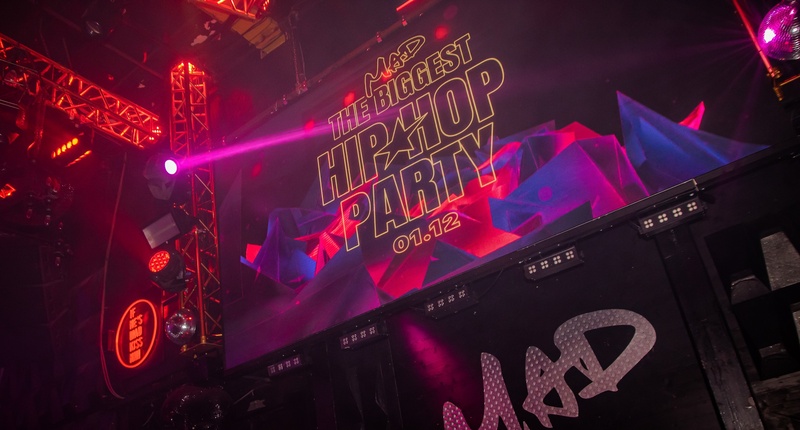
A rental LED display is engineered for frequent assembly, disassembly, and transportation. The difference between fixed and rental is like the difference between a brick building and a modular stage—both serve their purpose, but only one was designed to move.
Built for Mobility
Rental LED display cabinets prioritize features that fixed installations don’t need:
1. Lightweight aluminum construction (roughly 40–50% lighter per m² than fixed equivalents)
2. Quick-lock mechanisms (no tools required for cabinet connections)
3. Protective corner bumpers (surviving transport is the real durability test)
4. 모듈형 디자인 (standardized sizing for flexible configurations)
A typical rental cabinet weighs 10–18 kg per m², compared to 25–38 kg per m² for a comparable fixed unit. That weight difference compounds quickly when your crew is handling dozens of panels per event.
The Rental Business Model
For event companies, the economics of owning rental LED inventory come down to utilization. Quality rental LED display inventory typically pays for itself within 18–24 months with regular use. During peak seasons, some companies reach ROI in as little as 14 months.
But the rental ownership model only works with consistent booking volume. Idle inventory depreciates in storage while still requiring maintenance and insurance.
| Factor | Rental Consideration | Impact on Decision |
| Utilization Rate | Aim for 60%+ booked days annually | Below 40%? Consider renting from a provider instead of owning |
| 운송 | Flight cases add cost but protect investment | Factor 15–20% annual maintenance budget |
| Crew Training | Quick assembly requires skilled technicians | Budget 2–3 days for proper training |
| 콘텐츠 관리 | Rental clients often need flexible control systems | Invest in user-friendly controllers |
Why Rental Displays Cost More Per Square Meter
One point that surprises first-time buyers: rental-grade LED panels often cost more per m² than fixed —typically $1,500–4,000/m² VS 800–3,000/m² for fixed. The premium comes from aluminum frames, quick-lock hardware, reinforced corners, and flight cases. You’re paying for durability in transit, not just display performance. A rental panel that survives 200 load-ins and load-outs demands a different level of engineering than a fixed panel that mounts once and stays.
Head-to-Head Comparison: Fixed LED Display vs Rental LED Display
Marketing materials tend to blur the lines. Here’s how these two categories actually compare across the factors that affect your bottom line.
| 특징 | Fixed LED Display | 렌탈 LED 디스플레이 |
| Cabinet Weight | 25–38 kg per m² | 10–18 kg per m² |
| Installation Time | Days to weeks | Minutes to hours |
| Pixel Pitch Options | All ranges (P1.2 to P20+) | Typically P2.6 to P6.9 |
| 명도 | 1,000–10,000 nits (application dependent) | 800–5,500 nits (indoor/outdoor event range) |
| Weather Rating | IP54 to IP68 available | IP40 to IP54 (indoor/outdoor hybrid) |
| Service Access | Front or rear options | Primarily front-service for quick maintenance |
| Operating Lifespan | 100,000+ hours | 50,000–80,000 hours |
| Effective Calendar Life | 8–10+ years installed | 5–7 years with regular touring |
| Initial Investment | $800–3,000 per m² installed | $1,500–4,000 per m² (rental grade, with flight cases) |
| Annual Operating Cost | Lower (minimal handling) | Higher (labor, transport, maintenance) |
(Note: Prices vary significantly by manufacturer, region, and order volume. These figures represent mid-range estimates for 2026 Q2 market conditions.)
The Hidden Cost Nobody Talks About: Serviceability Over Time
Here’s something most manufacturers won’t emphasize: the long-term cost of keeping your displays running.
Fixed LED displays in permanent installations require routine cleaning and occasional module replacement. Annual maintenance budget: $500–2,000 for most mid-size installations.
Rental LED displays take a different kind of abuse—handling, transport, impact, constant reconfiguration. Industry standard: budget 15–20% of original purchase price annually for maintenance, module replacement, and flight case repairs.
One contractor in Austin learned this the hard way. They budgeted 5% spare parts on their new rental fleet. By month 10, they’d spent 28% on repairs because they weren’t prepared for the wear touring gear absorbs. The math doesn’t forgive underestimation.
How to Choose: Decision Framework for Event Companies, Retailers & Contractors
For Event Companies: The Utilization Math
One question determines your path: How many events per year require LED Screen?
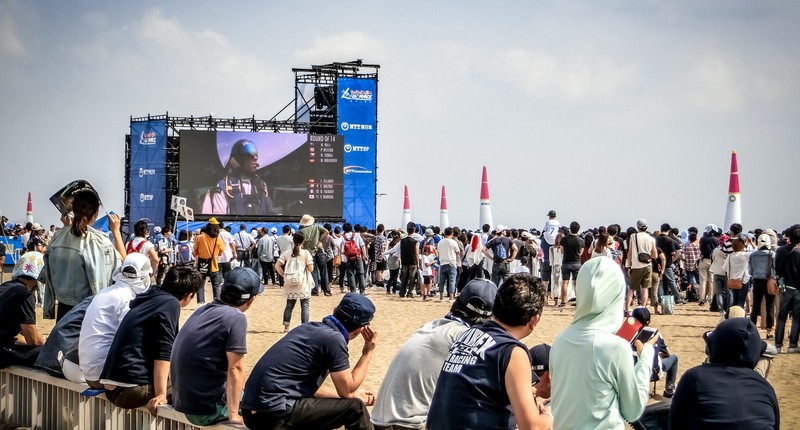
If 40+ events annually, owning rental LED display inventory likely makes financial sense. Below that threshold, you’re probably better off renting from a wholesale provider and marking up the service.
고객의 기대치도 고려해야 합니다. 프리미엄 기업 고객은 점점 더 4K 해상도를 지원하는 고밀도 LED(P2.6~P3.9) 디스플레이를 기대합니다. 만약 보유하고 있는 제품이 구형 P6+ 기술이라면, 더 선명한 디스플레이를 제공하는 경쟁업체에 입찰에서 밀릴 가능성이 높습니다.
For Retailers: The Long-Term View
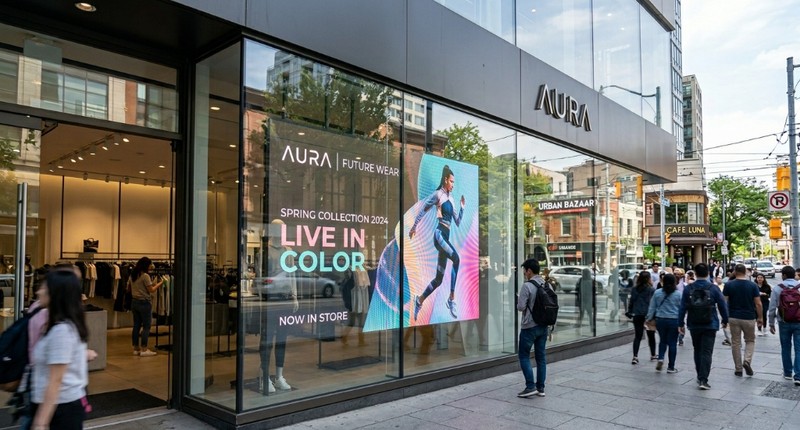
소매업은 완전히 다른 경제 원리에 따라 운영됩니다. 플래그십 스토어에 설치된 고정형 LED 디스플레이는 비용이 아니라 측정 가능한 수익을 가져다주는 자본 투자입니다.
디지털 사이니지가 400% 더 많은 조회수를 기록했습니다. 정적인 디스플레이보다 (다수의 소매업계 연구 결과)
LED 비디오월은 체류 시간을 늘려줍니다. 평균 30~40%
콘텐츠 유연성 이는 동일한 물리적 공간에서 여러 광고주 또는 캠페인이 활동할 수 있음을 의미합니다.
소매업의 경우, 고정형 디지털 사이니지를 사용할지 임대형을 사용할지가 아니라, 디지털 사이니지가 과연 필요한지 여부가 핵심 질문입니다. 소매점의 설치 환경이 영구적이라는 점을 고려하면, 고정형 LED 디스플레이가 거의 항상 적합한 선택입니다.
For Contractors: Matching Specs to Client Reality
이러한 시스템을 명시하는 계약업체는 다음 의사결정 프레임워크를 사용해야 합니다.
고정형 LED 디스플레이를 지정하는 경우:
1. 설치 일정은 3년 이상입니다.
2. 고객이 해당 장소의 소유권을 가지고 있습니다.
3. 유지보수 접근이 제한적이거나 비용이 많이 듭니다.
4. 기상 조건에 대한 노출이 극심합니다.
5. 예산은 장기적인 총 소유 비용을 우선시합니다.
LED 디스플레이 대여 시 다음 사항을 지정하십시오.
1. 프로젝트 기간은 24개월 미만입니다.
2. 클라이언트는 여러 구성이 필요합니다.
3. 신속한 배포가 매우 중요합니다.
4. 예산에는 지속적인 서비스 할당이 포함되어 있습니다.
5. 클라이언트는 이벤트 마케팅 또는 체험 마케팅 회사입니다.
Making the Choice That Protects Your Bottom Line
정답은 없습니다. 임대 유연성을 강점으로 내세우는 이벤트 회사는 고정된 설치 요건 때문에 부담을 느낄 것이고, 다섯 번째 정규 매장을 짓는 소매업체는 임시 디스플레이를 고려하지 않을 것입니다. 이 두 가지는 근본적으로 다른 용도로 사용되는 완전히 다른 도구입니다.
핵심 의사결정 논리는 간단합니다.
디스플레이를 이동, 조정 및 재배치해야 하는 경우—LED 디스플레이 대여 귀하의 카테고리는 바로 여기입니다. 알루미늄 캐비닛, 퀵락, 그리고 운반용 케이스는 선택 사양이 아니라 운영상 필수 요소입니다.
디스플레이가 내구성이 뛰어나고, 인상적인 성능을 제공하며, 최소한의 유지보수로 작동해야 한다면—고정형 LED 디스플레이 올바른 선택입니다. 철골 구조, 기밀성 및 통합 시스템은 수년간 안정적인 작동을 통해 가치를 제공합니다.
먼저 활용도 계산부터 시작하세요. 실제 사용 패턴을 분석하고, 각 제품 카테고리 전문 제조업체와 상담하세요. 그리고 구매 가격뿐 아니라 전체 수명 주기에 걸친 비용을 예산에 반영하세요.
올바른 선택은 수익 마진을 보호해 주지만, 잘못된 선택은 수년간 수익 마진을 잠식해 갑니다.
FAQ: Common Questions from Buyers and Specifiers
Can I use a rental LED display for permanent installation?
기술적으로는 가능하지만 권장하지 않습니다. 임대용 캐비닛은 고정형 캐비닛처럼 24시간 내내 열 관리를 위해 설계된 것이 아닙니다. 알루미늄 재질은 지속적인 옥외 노출 환경에서 강철과는 다르게 팽창 및 수축합니다. 따라서 이러한 방식을 선택할 경우 수명이 30~40%만큼 짧아지고 고장률이 높아질 수 있습니다.
Can I use a fixed LED display for temporary events?
가능은 하지만 무게 때문에 실용적이지 않습니다. 고정식 캐비닛은 제곱미터당 25~38kg에 달하기 때문에 더 무거운 장비가 필요하고 작업 시간도 훨씬 더 오래 걸립니다. 인건비까지 고려하면 고정식 패널 사용으로 얻을 수 있는 비용 절감 효과는 사라집니다. 게다가 반복적인 분해 조립은 이러한 과정을 견디도록 설계되지 않은 연결부를 손상시킬 수 있습니다.
How long does a typical fixed LED display installation take?
소규모 실내 설치(패널 20~50개): 1~2일. 대형 옥외 광고판: 구조물 공사 포함 2~4주. 경기장 설치: 2~3개월. 기상 악화 및 구조적 문제로 인한 지연을 대비하여 20%의 여유 기간을 추가하십시오.
What’s the typical warranty difference?
고정형 LED 디스플레이: 기본 2~3년, 최대 5년까지 연장 가능. 렌탈형 LED 디스플레이: 기본 1~2년. 대량 주문 시 가격 협상이 가능하며, 제조업체들은 현재 시장에서 경쟁력 있는 가격을 제시하고 있습니다.