
For decades, architects wrestled with a basic limitation: building materials didn’t move. Glass panels, steel beams, concrete facades — all inherently rigid. Flexible LED technology has changed that. A building’s exterior can now display videos, art installations, and real-time data without sacrificing structural integrity or the architect’s aesthetic vision.
Static concrete walls are becoming living, breathing facades that pulse with color and movement. If you’ve walked through any major city recently, you’ve probably noticed buildings that seem to shimmer, shift and even “breathe.” That’s no optical illusion. Flexible LED displays have opened up a new era of architectural expression.
Understanding Flexible LED Display Technology
What Makes LED Displays “Flexible”?
The term “flexible” isn’t marketing — it describes a real engineering breakthrough. Traditional LED displays use rigid circuit boards and fixed module housings. Flexible LED displays use specially designed printed circuit boards (PCBs) that can bend, curve, and conform to non-flat surfaces.
Think of it this way: a standard LED panel is like plywood — sturdy, but you can’t wrap it around a column. A flexible LED module is more like a rubber sheet with lights embedded in it. It maintains picture quality while bending to radii that would’ve been impossible five years ago.
Key technical features:
1. Specially engineered PCB substrates that maintain electrical conductivity while bending
2. Encapsulation materials that protect LEDs during repeated flex cycles
3. Modular tile designs that interlock on curved surfaces
4. Advanced driver systems that compensate for slight variations in module positioning
The architectural implication is straightforward: buildings no longer need to accommodate screens — screens can accommodate buildings. That lobby column can display content. That curved facade can become a canvas for digital art.
Applications Transforming Modern Architecture
Building Facades and Exteriors
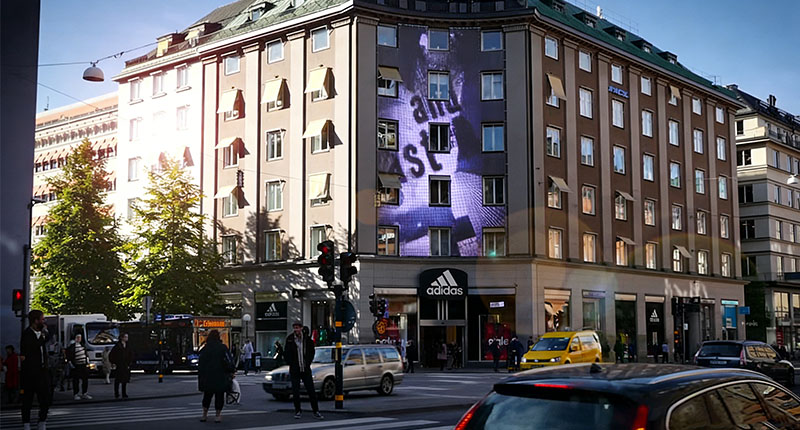
Building facades are where flexible LED displays have made their most dramatic entrance. When done well, an LED-enhanced facade becomes a landmark, visible for miles, creating an identity that static architecture cannot achieve.
Consider the transformation: a conventional office building becomes an evening attraction when its curved glass facade animates with patterns or brand storytelling. The flexibility means the screen follows the building’s geometry rather than fighting against it. I’ve seen projects where an entire building corner was converted into a flowing digital canvas that wrapped seamlessly around structural elements.
Practical benefits:
1. Brand visibility works 24/7 without additional advertising costs
2. Dynamic public art can change based on events, seasons, or time of day
3. Wayfinding and information display integrates naturally into building design
Interior Spaces and Immersive Environments
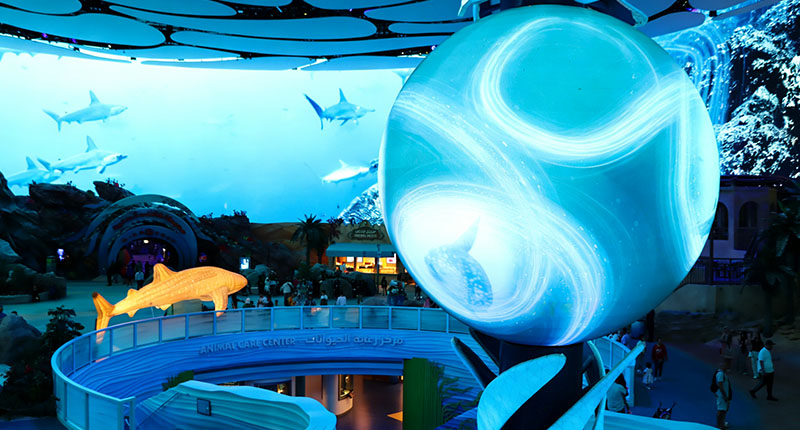
Inside buildings, flexible LED displays are creating experiences that were science fiction a decade ago. Hotel lobbies transform into digital art galleries. Corporate offices use curved LED walls for presentations that surround participants. Shopping malls create themed environments that transport visitors to different worlds.
Interior applications are compelling because of the intimacy factor. Unlike massive exterior installations viewed from a distance, interior displays can create immersive environments. A curved ceiling in a restaurant can display a simulated starry sky that shifts throughout the evening. A bank’s curved wall can present financial data in ways that feel like visiting a space station.
Key interior applications:
1. Corporate lobbies communicate brand values through dynamic visuals
2. Hospitality venues (hotels, restaurants, bars) create distinctive atmospheres
3. Retail spaces with flexible displays that transform shopping into experience
4. Museums and galleries where digital art installations push creative boundaries
5. Event venues with adaptive spaces that transform for different functions
Column Wraps and Structural Elements
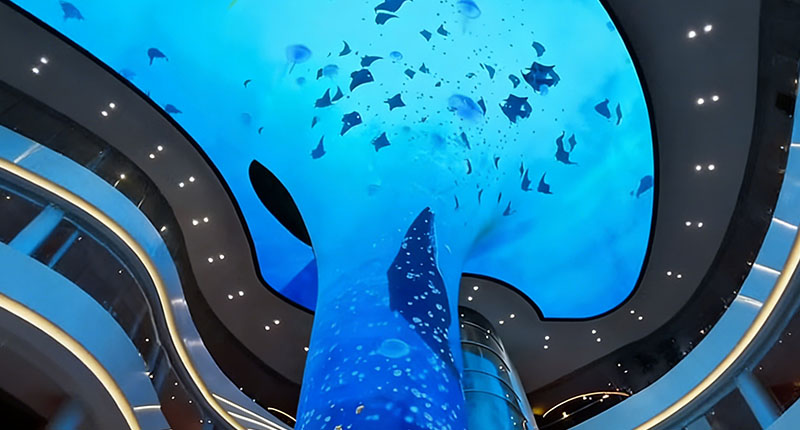
One innovative application involves transforming structural columns — typically functional elements — into visual features. Flexible LED column wraps turn ordinary support pillars into branded pillars, wayfinding elements, or art pieces.|
This showcases the value of flexibility. Square columns need square screens. Cylindrical columns need curved screens that wrap completely. Irregular elements need custom solutions.
Column wraps solve several architectural challenges:
1. They eliminate the visual monotony of identical structural columns
2. They provide wayfinding and branding opportunities in large spaces
3. They can guide traffic flow through retail or transit environments
4. They add visual interest without compromising structural integrity
Technical Considerations for Architectural Integration
Pixel Pitch and Viewing Distance
Choosing the right pixel pitch matters in architectural applications. Pixel pitch — the distance between LED centers — impacts image clarity and determines optimal viewing distance. For exterior installations viewed from hundreds of meters, larger pixel pitches work. For interior applications where viewers stand close, tighter pitches are needed.
1. Exterior facades (50m+ viewing): 10mm-20mm pixel pitch
2. Street-level exterior (10-50m): 6mm-10mm pixel pitch
3. Interior large format (5-20m): 3mm-6mm pixel pitch
4. Close-view interior (under 5m): 1.5mm-3mm pixel pitch
Brightness and Environmental Factors
Architectural displays face environmental challenges consumer installations don’t. A facade-mounted flexible LED display must perform in direct sunlight, heavy rain, extreme temperatures, and varying humidity. Getting this wrong means costly repairs, reduced lifespan, and display failures.
Modern architectural LED systems address these challenges:
1. High-brightness LEDs (5,000+ nits for exterior applications) remain visible in direct sunlight
2. Weatherproof ratings (IP65 or higher for exterior installations)
3. Thermal management systems prevent overheating in summer and cold-weather failures
4. UV-resistant coatings prevent degradation from sun exposure
5. Corrosion-resistant materials work in coastal or industrial environments
Content Management and Control Systems
Sophisticated installations need robust content management. Modern architectural LED systems connect to centralized control platforms that manage scheduling, content rotation, real-time updates, and system monitoring.
Control systems enable:
1. Scheduled playback automatically changes content based on time of day, day of week, or events
2. Live content integration displays social media feeds, news updates, or real-time data
3. Zone-based control manages different areas independently
4. Brightness automation adjusts based on ambient light
5. System health monitoring alerts operators to issues before failures
Design Principles for Successful Integration
Maintaining Architectural Intent
Technology should amplify the architecture, not compete with it. The best installations enhance a building’s design rather than overwhelming it with visual noise.
Creating Visual Harmony
Flexible LED displays achieve their greatest impact when they feel like natural extensions of the architecture. This requires collaboration between architects, lighting designers, and LED specialists from early design stages.
The End
Flexible LED displays have changed what’s possible in architectural design. What was once a limitation — the rigidity of traditional display technology — has become a creative opportunity. Buildings that once stood silent and static now communicate, express, and transform.
For architects and designers, LED isn’t just another material to specify — it’s a medium that changes the relationship between buildings and the people who experience them.